 Save
Save Last spring, my neighbor casually mentioned she'd been picking dandelions from her yard, and something about that simple act stuck with me—why were we treating these cheerful flowers like weeds? That afternoon, I found myself knee-deep in my own lawn with a basket, carefully selecting the brightest yellow petals, and by evening I'd transformed them into these tender honey scones. The kitchen smelled like sunshine and wildflowers, and suddenly brunch felt less like something you ordered and more like something you created from the earth around you.
I made these for a small gathering last May, and watching my friends' faces when they bit into one—that pause before they smiled—told me everything. One guest asked if I'd added something to the flour itself, unable to quite place the delicate sweetness threading through each bite. It became the kind of recipe people ask for, the one that makes them think you have secrets.
Ingredients
- All-purpose flour (2 cups): This is your scone foundation—use it straight from the bag at room temperature, and don't sift unless you're feeling particularly finicky.
- Granulated sugar (1/4 cup): Balances the honey without overwhelming the floral notes; just a gentle sweetness.
- Baking powder (1 tbsp): Gives you that tender crumb and light lift—don't skip it or your scones will be dense.
- Fine sea salt (1/2 tsp): A pinch of salt actually amplifies the honey and dandelion flavors, making everything taste more of itself.
- Unsalted butter (1/2 cup), cold and cubed: Cold butter is non-negotiable; it creates those little pockets of steam that make scones tender and layered.
- Whole milk (2/3 cup), cold: Keep it cold from the fridge—this helps the dough stay cold and prevents overworking.
- Dandelion petals (2 tbsp fresh, pesticide-free): Hunt for fully opened flowers on a sunny day and use only the bright yellow petals, leaving the green sepals behind since they taste bitter.
- Honey (2 tbsp plus 1 tbsp for drizzling): Floral honey works beautifully here, but even regular honey will make these special.
- Large egg (1): Helps bind the dough and adds richness without heaviness.
- Clotted cream (for serving): This is what transforms scones from good to unforgettable—if you can't find it, whipped cream or mascarpone work in a pinch, though the flavor shifts slightly.
Tired of Takeout? 🥡
Get 10 meals you can make faster than delivery arrives. Seriously.
One email. No spam. Unsubscribe anytime.
Instructions
- Heat your oven and prepare:
- Preheat to 400°F and line your baking sheet with parchment paper so your scones won't stick and you can slide them off easily.
- Build your dry base:
- Whisk together flour, sugar, baking powder, and salt in a large bowl, breaking up any lumps as you go. This distributes the leavening evenly so every scone rises the same way.
- Cut in the butter:
- Add your cold butter cubes and work them in using a pastry cutter or your fingertips until the mixture looks like coarse breadcrumbs with some pea-sized pieces still visible. This takes a few minutes—don't rush or the butter will warm and melt, which changes the texture.
- Combine your wet ingredients:
- In a small bowl, whisk together milk, honey, egg, and dandelion petals until the petals are evenly distributed and the mixture is pale. The petals will soften slightly and release their subtle flavor.
- Bring it together gently:
- Pour the wet mixture into the dry ingredients and stir with a fork just until everything comes together—you're looking for a shaggy dough with barely any visible dry flour. Overmixing develops gluten and makes tough scones, so stop while it still looks a bit rough.
- Shape and cut:
- Turn the dough onto a lightly floured surface and gently pat it into a 1-inch-thick round without pressing too hard or you'll compress all those air pockets you just created. Cut it into 8 wedges like a pie and place them on your prepared baking sheet, leaving a little space between each one.
- Bake to golden perfection:
- Bake for 16 to 18 minutes until the tops are golden brown and they look puffed and proud. They'll smell incredible around the 12-minute mark, but resist opening the oven door until they're close to done.
- Finish and serve:
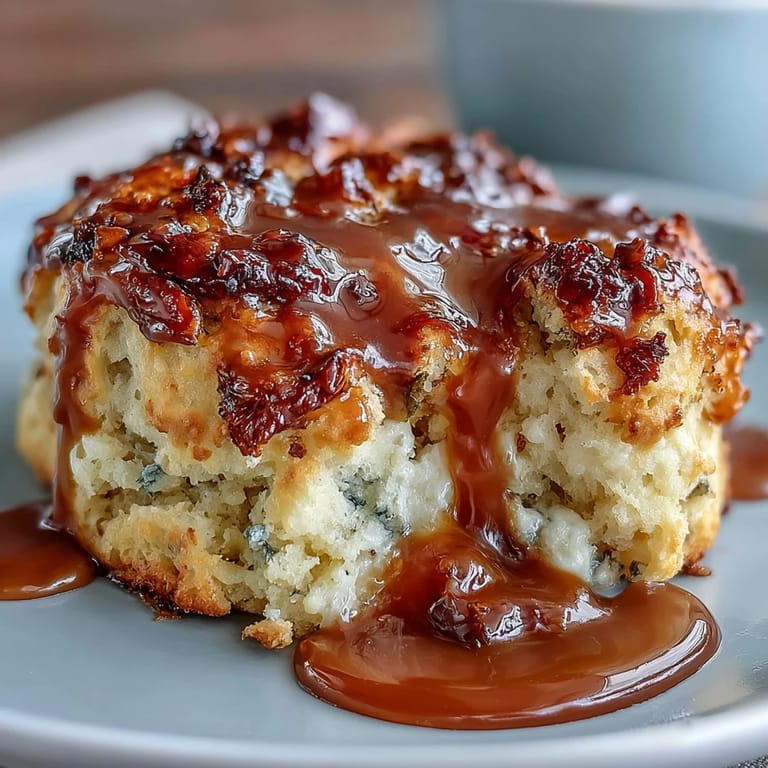
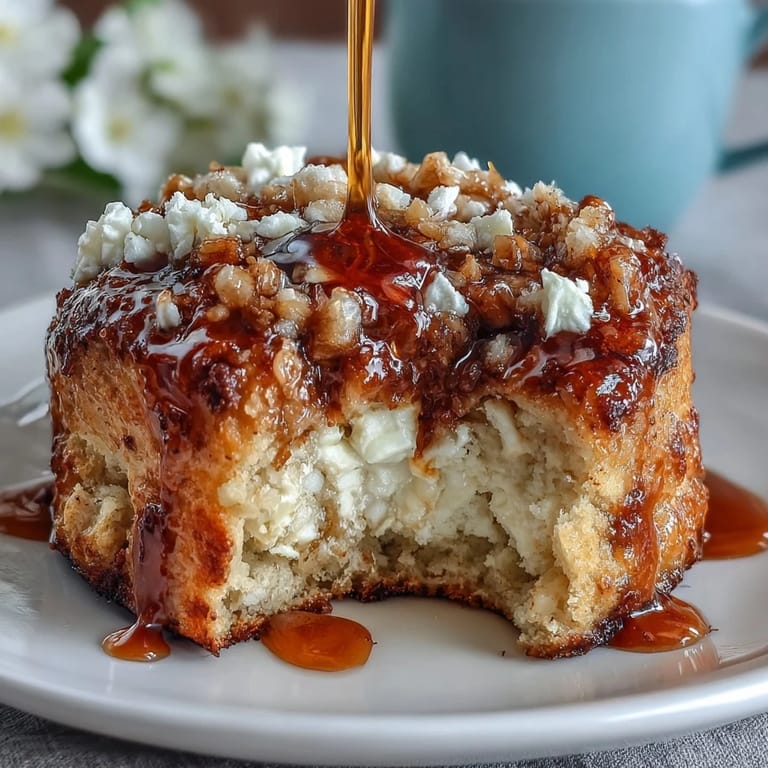
- Let them cool for just a few minutes, then drizzle with honey and scatter fresh dandelion petals on top while they're still warm so the petals cling to the honey. Serve with generous dollops of clotted cream—this is not the time to be shy.
 Save
Save There's something about serving these scones that transforms a regular morning into something worth remembering. My mother took one bite and asked why she'd never thought to use dandelions before, and suddenly we were planning to forage together next spring.
The Art of Foraging Your Dandelions
Hunting for dandelion flowers teaches you to look at your surroundings differently. Pick them on a warm, sunny afternoon when they're fully opened and the petals are at their brightest—flowers that open and close with the light are more tender and flavorful. Rinse them gently under cool water and pat dry with a soft cloth, then pluck off only the yellow petals, discarding the green base which holds a bitter taste that doesn't belong in something this delicate. You'll need about a dozen flowers to yield the petals for this recipe, and the act of picking becomes part of the cooking process itself.
Why Cold Butter Matters More Than You Think
The difference between a dense, heavy scone and one that's tender with a slight flake comes down to those little solid butter pieces in the dough. As the scones bake, the cold butter melts and creates steam pockets, leaving behind tiny gaps that make the crumb light and delicate. If your butter starts warm or soft, those pockets never form and you end up with something that tastes more like sweet bread than scone. Keep your butter in the freezer until the last moment, and if your kitchen is warm, even chill your mixing bowl.
Clotted Cream and Other Finishing Touches
Clotted cream is thicker and richer than whipped cream, with a slightly tangy depth that makes these scones sing. If you can't find it at your local grocery store, many specialty shops carry it near the butter and dairy, or you can order it online. When clotted cream isn't available, whipped cream works in a pinch but tastes lighter, while mascarpone adds a lovely tartness that some people actually prefer. The honey drizzle on top should be applied while the scones are still warm so it becomes glossy and clings to the dandelion petals.
- A floral white tea or light sparkling wine pairs beautifully alongside these scones for a complete springtime brunch.
- If you accidentally picked some dandelions with closed flowers, save those for tea instead of adding to the scones.
- Make these on a calm morning when you're not rushing—good scones deserve your attention.
 Save
Save These scones remind me that sometimes the best recipes come from noticing what's growing right outside your door and deciding to celebrate it. Once you've made them, you'll find yourself looking at dandelions differently too.
Recipe Q&A
- → What are the best dandelions to use?
Use only fresh, pesticide-free, fully opened yellow dandelion petals. Avoid green parts to prevent bitterness.
- → Can clotted cream be substituted?
Yes, whipped cream or mascarpone can be used as alternatives while maintaining a creamy texture.
- → How should the scones be baked for ideal texture?
Bake at 400°F (200°C) for 16–18 minutes until golden brown and puffed for a tender crumb.
- → How to keep scones fresh after baking?
They are best eaten the same day but can be stored in an airtight container to maintain freshness for a short time.
- → What drinks pair well with these scones?
Floral white teas or light sparkling wines enhance the delicate flavors in these scones for a festive touch.