 Save
Save The first time I opened a carton of edible flowers for these shortbread cookies, the air seemed tinged with the faint aroma of spring—sweet, grassy, almost like walking through a blooming garden after a rain. I have a habit of humming when I bake, but that day, brushing petals onto buttery dough, I found myself quietly focused, almost meditative. There’s something whimsical in decorating cookies with things you’d normally only stop to admire outdoors. The scattered mess of flour and vibrant violets felt far from perfection, but that somehow made the process more inviting. It’s the kind of project that turns a gray afternoon into something unexpectedly bright.
Last spring, I baked a double batch for a neighbor’s garden brunch, and we couldn’t stop laughing as we tried to pronounce all the flower names—neither of us ever fully agreed whether the pansies looked more like little faces or bow ties. Seeing everyone’s faces light up when they realized the decorations were real, edible blooms was honestly more rewarding than any compliment on the taste. Those tiny moments of delight stuck with me long after the last crumbs were gone.
Ingredients
- Unsalted butter: Room temperature butter creams up into a fluffy base, so don’t rush; cold butter will make mixing a chore and change the texture.
- Granulated sugar: Using plain sugar brings out the clean sweetness in the dough—avoid substituting confectioners’ sugar, which alters the crumb.
- All-purpose flour: Sift before measuring for light cookies that hold their shape, and resist the urge to pack down the flour.
- Fine sea salt: Just a pinch heightens all the flavors in a subtle way—use fine, not coarse, for even mix.
- Pure vanilla extract: High quality vanilla gives depth; the aroma fills your kitchen even before baking begins.
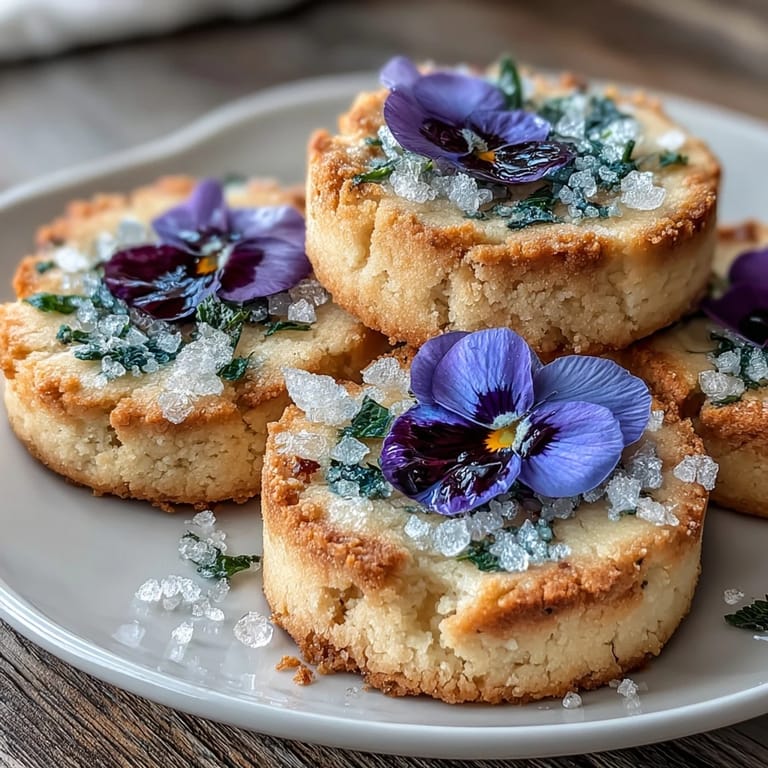
- Edible flowers: Only pick pesticide-free blooms—their colors stay truest if you add them last, and a gentle pressing keeps them from curling in the oven.
- Egg white (optional): A delicate brush of egg white ensures flowers adhere smoothly and gives the cookies a slight sheen, but skip for strict vegetarians.
- Superfine sugar (optional): A shimmer of superfine sugar sparkles on top and adds a hint of crunch after baking.
Tired of Takeout? 🥡
Get 10 meals you can make faster than delivery arrives. Seriously.
One email. No spam. Unsubscribe anytime.
Instructions
- Cream the butter and sugar:
- Beat butter and sugar together in a large mixing bowl until pale and fluffy, letting the mixer do most of the work while you sneak a taste of that airy sweetness.
- Mix in vanilla:
- Add vanilla extract and blend briefly—listen as the mixture takes on that signature, slightly floral scent.
- Combine dry ingredients:
- Sift in flour and salt, mixing on low just until the dough barely holds together; it should look soft but not sticky.
- Chill the dough:
- Turn dough onto parchment, shape into a disc, wrap, and chill for at least 30 minutes—this step is worth the wait, making cookies easier to handle and tastier when baked.
- Prep for baking:
- Preheat oven to 350°F and line baking sheets with parchment, catching glimmers of anticipation as the kitchen begins to warm.
- Roll and cut:
- On a lightly floured surface, gently roll dough to a quarter-inch; cut out shapes and transfer with care to lined sheets, leaving space between for even baking.
- Decorate with blooms:
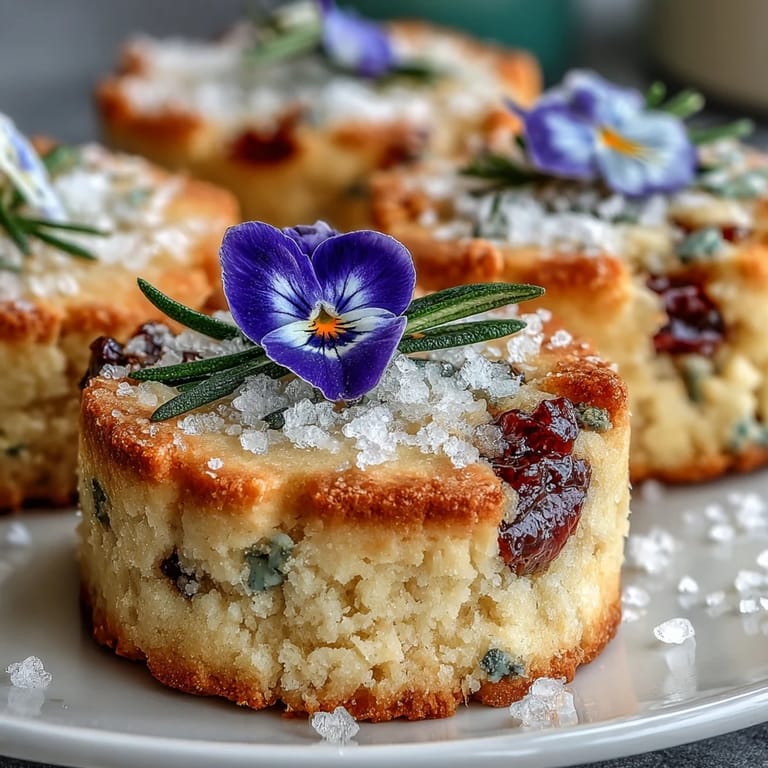
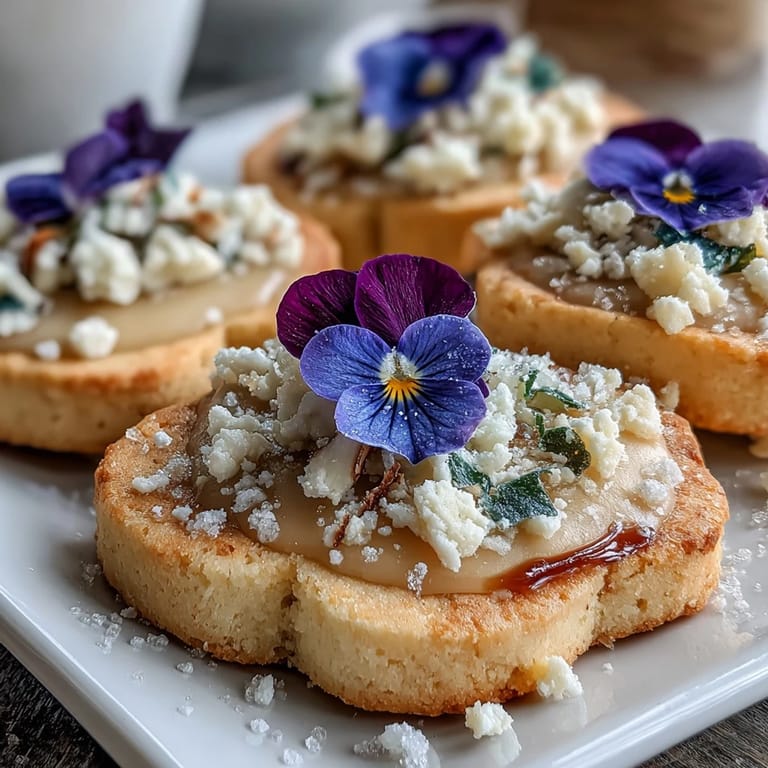
- Press a flower atop each cookie, optionally brushing egg white for extra stick, then sprinkle superfine sugar for sparkle.
- Bake:
- Place in oven and bake 12–15 minutes, watching closely for edges to blush just golden but not brown.
- Cool completely:
- Let cookies rest on the tray 5 minutes before moving to a wire rack, inhaling the buttery aroma as they firm up.
 Save
Save 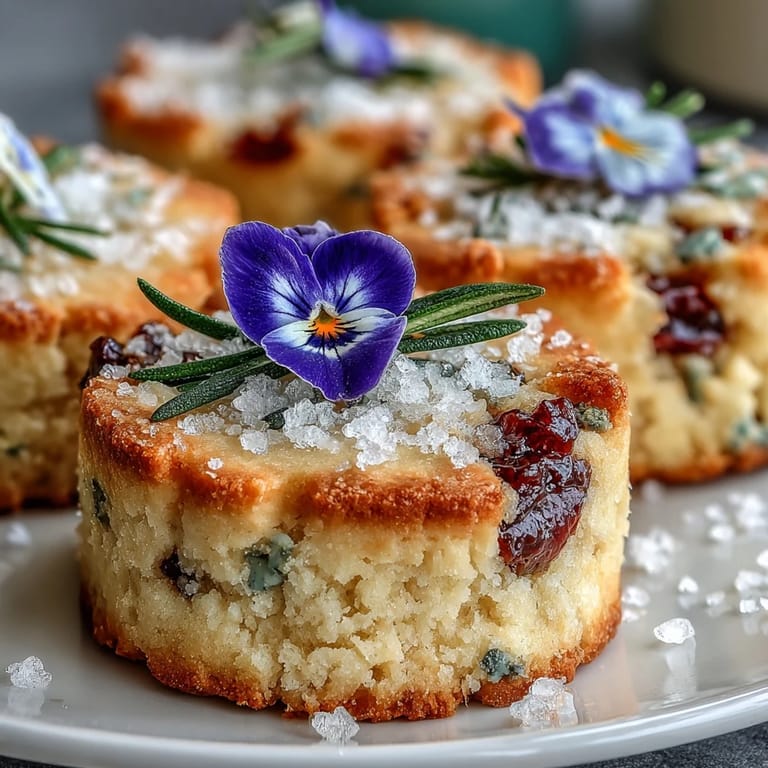 Save
Save I remember one Easter morning, slipping a plate of these floral shortbread cookies onto the table as sunlight flooded the room—my cousin immediately asked if she could keep one in a tissue just for the smell. It was at that moment I realized these treats had become gifts in themselves, as pretty to look at as they were to eat.
Choosing and Using Edible Flowers
When it comes to selecting flower varieties, taste small petals first to be sure you actually enjoy their flavor—some are sweet, while others hint at pepper or lemon. Arrange the flowers just moments before baking to preserve their fresh, vibrant look; pansies and violets hold up especially well, while rose petals can darken if baked too long.
Getting Kids (or Friends) Involved
If little hands or curious friends want to help, let them pick flower combinations—there’s no wrong way, and you’ll end up with a batch of uniquely ‘yours’ cookies every time. The decorating part is likely to spark storytelling and laughter, especially if someone gets a bit overzealous with the sugar shaker.
Storage and Serving Tricks
For best freshness, store cooled cookies in an airtight container with parchment between layers to keep blooms undisturbed. They’re the ideal treat for a spring picnic or stashed in a tin for an afternoon pick-me-up.
- If you’re transporting them, line the container base with a soft cloth.
- Pair with lemony tea or serve alongside a citrus dessert for bright contrast.
- Remember: edible flowers fade after a few days, so don’t wait too long to show them off!
 Save
Save  Save
Save Baking these cookies really is as joyful as sharing them. I hope you find yourself with flour-dusted fingers and plenty of reasons to celebrate the season.
Recipe Q&A
- → Are all flowers safe to use?
Only use flowers that are confirmed edible and pesticide-free. Common safe options include violets, pansies, calendula petals and rose petals; when in doubt, consult a trusted edible-flower source.
- → How do I make the flowers stick to the dough?
Lightly brush each cookie top with a thin layer of egg white before pressing a flower on. The egg white helps adhesion and gives a subtle sheen after baking. Skip the egg white if avoiding eggs; flowers will still adhere somewhat when pressed gently.
- → Can I add citrus for extra flavor?
Yes. Finely grate lemon or orange zest into the dough during mixing for a bright citrus note that complements the floral topping without overpowering the buttery base.
- → Why is my dough crumbly or hard to roll?
If the dough is crumbly, it may need a touch more softened butter or a brief knead to bring it together; avoid overworking. Chill time firms the dough, so if too cold, let it sit a few minutes before rolling.
- → How can I get crisp edges and tender centers?
Roll the dough to an even 1/4-inch thickness and bake until edges just begin to turn golden, about 12–15 minutes. Even thickness and watchful timing yield crisp edges with tender interiors.
- → What’s the best way to store these cookies?
Once completely cooled, store in an airtight container at room temperature for up to 5 days. Layer with parchment to protect the flowers and preserve texture.