 Save
Save My sister texted me a photo of her dream cake three weeks before her birthday—soft pastels, delicate flowers, the whole thing looking like spring had landed on a dessert plate. I'd never piped anything fancier than a cupcake swirl, but something about that image made me determined to try. What started as nervous energy in the kitchen turned into the most satisfying afternoon of baking I'd had in years, flour on my apron and buttercream smudged across my cheek as I learned that homemade cakes don't need to be intimidating.
I baked this cake for the first time on a gray April morning when my kitchen felt too quiet, and by the time those three layers cooled, the whole house smelled like vanilla and possibility. Watching my sister's face when she saw it—the way her eyes actually teared up—made every piping bag and color-mixing moment worth it. That's when I realized this wasn't just a cake recipe; it was permission to be creative without needing professional training.
Ingredients
- All-purpose flour: The foundation of your tender crumb; make sure it's fresh and not compacted in the bag, which can throw off your measurements.
- Baking powder: This is what gives the cake its gentle lift without being too airy; don't skip checking the expiration date.
- Unsalted butter: Room temperature is non-negotiable here because cold butter won't cream properly and you'll end up with a dense cake instead of a fluffy one.
- Granulated sugar: Beating this with butter is where the magic happens—that creaming stage is what traps air bubbles and makes the cake light.
- Eggs: Also room temperature, which helps them incorporate smoothly and create a better structure in the batter.
- Pure vanilla extract: The real stuff makes a noticeable difference; imitation will work but tastes slightly chemical by comparison.
- Whole milk: Room temperature again—I know it seems fussy, but cold ingredients create lumps and uneven mixing.
- Powdered sugar for buttercream: Sifting it prevents gritty lumps that would ruin your smooth frosting, trust me on this one.
- Gel food coloring: Use gel, not liquid, because liquid coloring adds too much moisture and thins out your buttercream.
Tired of Takeout? 🥡
Get 10 meals you can make faster than delivery arrives. Seriously.
One email. No spam. Unsubscribe anytime.
Instructions
- Set Up Your Stage:
- Preheat the oven to 350°F and grease those three pans with butter or cooking spray, then line the bottoms with parchment paper so your layers slide out cleanly. This step prevents the frustration of cake stuck to the pan—I learned that lesson the hard way.
- Mix Your Dry Ingredients:
- Whisk together flour, baking powder, and salt in a medium bowl and set it aside. This distributes the leavening evenly so you don't end up with dense pockets in your cake.
- Cream Butter and Sugar:
- Beat butter and sugar together on medium-high speed for 3 to 4 minutes until the mixture turns pale and fluffy—this is the most important step and it's worth watching because you'll actually see the transformation. When it looks like wet sand that's gotten lighter in color, you're there.
- Add Eggs Slowly:
- Add eggs one at a time, beating well after each addition so they fully incorporate. If you dump them all in at once, the batter might look curdled and weird, which freaks people out but actually fixes itself when you add the flour.
- Alternate Wet and Dry:
- Starting and ending with flour, add the flour mixture and milk alternately to your butter mixture, mixing just until combined. Overmixing activates gluten and makes the cake tough, so stop as soon as you don't see streaks of flour anymore.
- Divide and Bake:
- Divide batter evenly among the three pans—I use a scale for this because eyeballing leads to one cake being done while another needs five more minutes. Bake for 25 to 30 minutes until a toothpick comes out clean.
- Cool with Patience:
- Let cakes cool in the pans for 10 minutes (this prevents them from breaking apart), then turn them out onto a wire rack to cool completely. Don't skip this; frosting warm cake is a disaster.
- Make the Buttercream:
- Beat softened butter until creamy, then gradually add sifted powdered sugar, milk, vanilla, and salt, beating for 3 to 4 minutes until it's smooth and fluffy. The gradual addition of sugar prevents lumps and creates a silky texture.
- Color Your Palette:
- Divide buttercream into bowls and add gel food coloring a tiny bit at a time—colors intensify as you mix, so start light and build up. I once made a bowl of buttercream so purple it looked like a bruise before I figured out the coloring rules.
- Layer and Crumb Coat:
- Place the first cake layer on your serving plate, spread buttercream on top, repeat with the remaining layers, then apply a thin crumb coat over the entire cake. The crumb coat seals in loose crumbs so your final frosting looks pristine.
- Chill and Decorate:
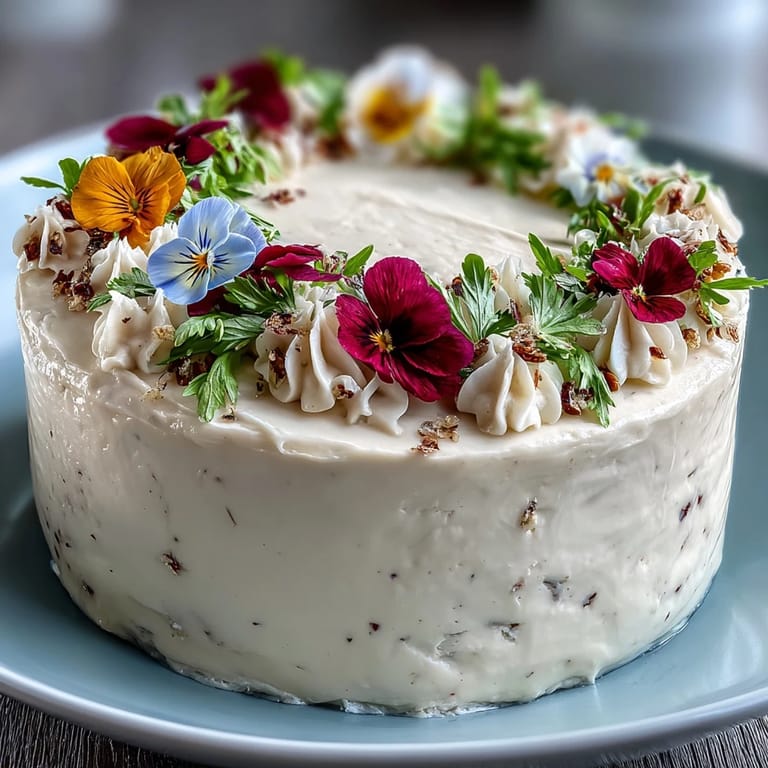
- Chill the crumb-coated cake for 20 minutes, then use piping bags fitted with various tips to create floral designs using your pastel buttercreams. Add edible petals or sprinkles if you want, then chill for another 15 to 20 minutes before serving.
 Save
Save The moment I held that piping bag and made my first flower, shaky and uneven as it was, I felt something shift. It wasn't about the technique being perfect; it was about the confidence that I could create something beautiful in my own kitchen with ingredients I understood. That cake became the story I told for months afterward, not because it looked magazine-worthy, but because it represented the exact moment I stopped doubting myself in the kitchen.
Why This Cake Works for Spring Celebrations
There's something about soft pastels and floral designs that feels like an instant celebration—this cake doesn't whisper, it announces that something special is happening. The vanilla cake itself is classic enough that it works for birthdays, garden parties, showers, or any moment that calls for something elegant but not pretentious. I've made versions of this for occasions ranging from quiet family gatherings to backyard celebrations, and the compliments always come back the same: people are amazed it's homemade.
The Buttercream Difference
Homemade buttercream is genuinely easier than people think, and the taste difference is staggering—it's rich, buttery, and dissolves on your tongue instead of sitting heavy in your stomach like store-bought frosting. I used to think buttercream decorating required culinary school, but the truth is that piping bags are just tools, and imperfect flowers layered across a cake actually look more charming than perfectly uniform ones. The real secret is that people taste the care you put in, not the precision of your technique.
Customizing Your Cake
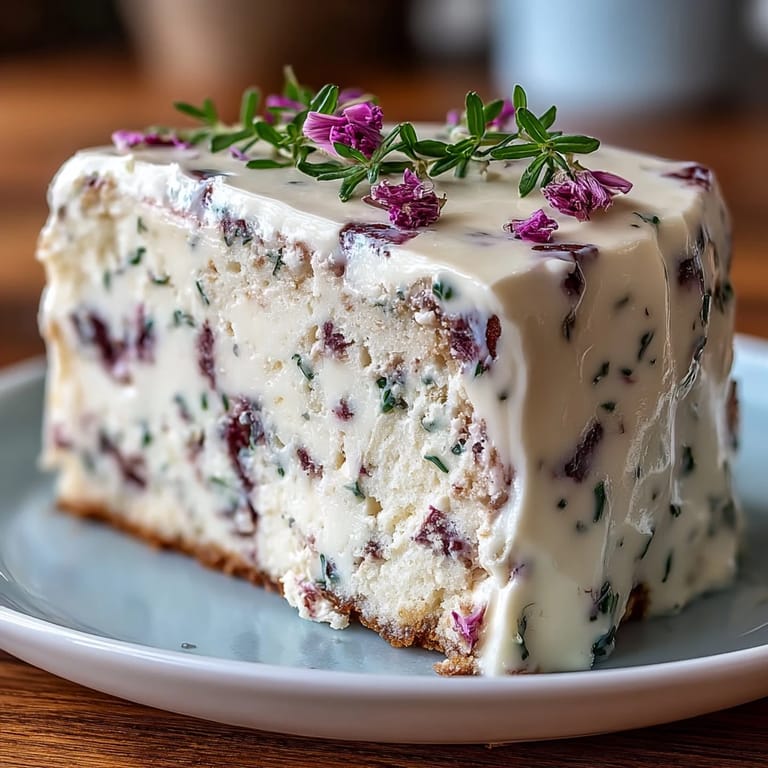
This cake is forgiving enough that you can bend it to match your vision without it falling apart. Match your pastel colors to a party theme, add lemon or almond extract to the cake for a flavor twist, or keep it pure vanilla—whatever speaks to you. The beauty of spring decorating is that slightly imperfect flowers actually feel more organic and real than anything that looks too polished.
- If you only have two pans, bake in batches and let pans cool between uses to avoid spreading.
- Edible flowers and sprinkles add visual interest, but the cake stands on its own if you prefer minimalism.
- Make this cake the day before serving so flavors settle and decorating feels less rushed.
 Save
Save This cake taught me that homemade doesn't mean complicated, and beautiful doesn't mean perfect. Every time I make it now, I'm back in that kitchen on an April morning, learning that the best celebrations are the ones you create yourself.
Recipe Q&A
- → What makes the cake tender and moist?
The cake’s tenderness comes from the combination of room-temperature butter, eggs, and whole milk, which create a moist, fluffy texture when properly mixed and baked.
- → How are the pastel floral designs achieved?
Pastel gel food colorings are mixed into the buttercream in soft shades and piped with various tips to create delicate floral patterns on the cake’s surface.
- → Can edible flowers be used in decoration?
Yes, edible flower petals can be added atop the buttercream designs for a natural and elegant touch, enhancing the spring-inspired theme.
- → What is the recommended baking temperature and time?
Bake the cake layers at 350°F (175°C) for 25–30 minutes, or until a toothpick inserted in the center comes out clean.
- → How can the buttercream be tinted?
Divide the buttercream into separate portions and add a small amount of gel food coloring to each, mixing until the desired pastel shade is achieved.