 Save
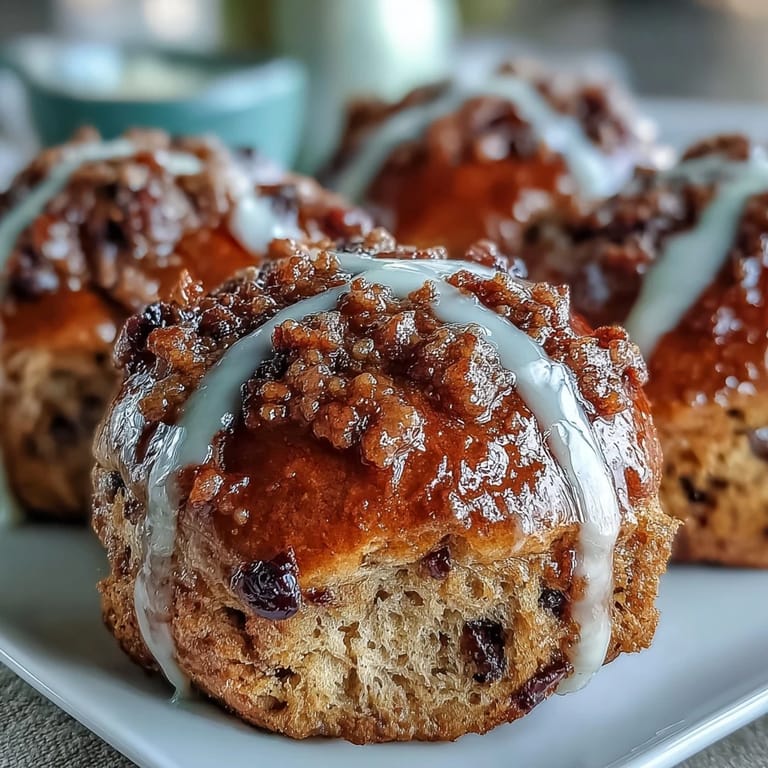
Save The aroma of cinnamon and orange always makes me pause, so when I first tried baking hot cross buns with an orange glaze, I remember a bright afternoon interrupted by the scent wafting from the oven. It was nothing like the neatly packaged buns at the supermarket—these were golden, slightly sticky, and the orange zest felt like springtime in every bite. I could hear the dough quietly puffing as it rose, and I found myself checking the tray more often than necessary, just to see if they were as pillowy as promised. It felt less like a ritual, more like an experiment that ended with buttery fingers and a glazed smile. Certainly not the most elegant start, but I wouldn&apost change a thing about that kitchen mess.
One chilly Easter morning, I baked a batch for friends who wandered in for brunch after a sunrise hike. We laughed as someone tried piping crosses and left more blobs than lines, but no one minded; the glaze dripped beautifully, and everyone grabbed their bun straight from the tray. The sound of chatting mixed with the crunch of the crust made it feel like the world&apost gotten just a little smaller for a moment. Someone asked if we could make them every year—the answer is always yes. It was a memory made mostly of crumbs and care.
Ingredients
- Bread flour: Using bread flour gives the buns that springy, tender texture; I always weigh it for accuracy.
- Granulated sugar: A touch of sweetness, but don&apost overdo it or the yeast won&apost behave.
- Active dry yeast: Make sure it&apost still alive—I proof it if I&apost uncertain.
- Fine sea salt: It sharpens the flavors and balances the sweetness.
- Ground cinnamon: This spice brings warmth and a familiar Easter scent—don&apost skimp.
- Ground allspice: The tiniest pinch adds depth; too much can overwhelm.
- Ground nutmeg: Freshly grated nutmeg is worth the effort for fragrance.
- Orange zest: The zest bolsters the glaze and makes the dough taste sunny; use a microplane for fine pieces.
- Whole milk, lukewarm: Milk activates the yeast and moisturizes the crumb—never ice-cold.
- Unsalted butter, melted: Butter softens the dough and adds richness; melt but don&apost cook it.
- Eggs, room temperature: Cold eggs are hard to mix in—let them warm slightly before cracking.
- Currants or raisins: I prefer currants for their size, but raisins, dried cranberries, or apricots work just as well.
- All-purpose flour: Used for the cross paste—a simple mix that&apost easy to pipe.
- Water: Just enough to form a thick cross paste; add slowly.
- Powdered sugar: Essential for the glaze—sift it if lumpy.
- Freshly squeezed orange juice: It lifts the glaze; bottled juice misses the mark.
- Additional orange zest: A sprinkle in the glaze ensures the citrus flavor shines through.
Tired of Takeout? 🥡
Get 10 meals you can make faster than delivery arrives. Seriously.
One email. No spam. Unsubscribe anytime.
Instructions
- Mix the dry ingredients:
- Whisk flour, sugar, yeast, salt, cinnamon, allspice, nutmeg, and orange zest in a large bowl until the spices are fragrant and everything looks well blended.
- Combine wet ingredients:
- Stir the milk, melted butter, and eggs in a separate bowl so the mixture feels silky and homogenous.
- Create the dough:
- Pour the wet mix into the dry and use a wooden spoon or dough hook; watch as it pulls together, sticky but promising.
- Knead and add fruit:
- Knead the dough for about 8–10 minutes until it springs back when poked, then work in the currants or raisins until they&apost scattered throughout.
- First rise:
- Shape into a ball, drop into an oiled bowl, cover and let it rest until doubled in size—about 1–1.5 hours, depending on your kitchen&apost warmth.
- Shape buns:
- Punch out the air, divide into 12 even pieces, roll each into a smooth ball and set them close (but not touching) on parchment.
- Second rise:
- Drape a towel over the buns and let them puff up for 30–40 minutes; they should look airy and soft to the touch.
- Pipe the crosses:
- Mix flour and water, fill your piping bag, and squeeze a cross over every bun, aiming for tidy lines but embracing the imperfect ones.
- Bake:
- Slide into a 375°F oven for 22–25 minutes; they&apost golden and sound hollow when tapped on the bottom.
- Prepare the glaze:
- Whisk powdered sugar, orange juice, and zest until smooth and fragrant, ready to brush on.
- Glaze the buns:
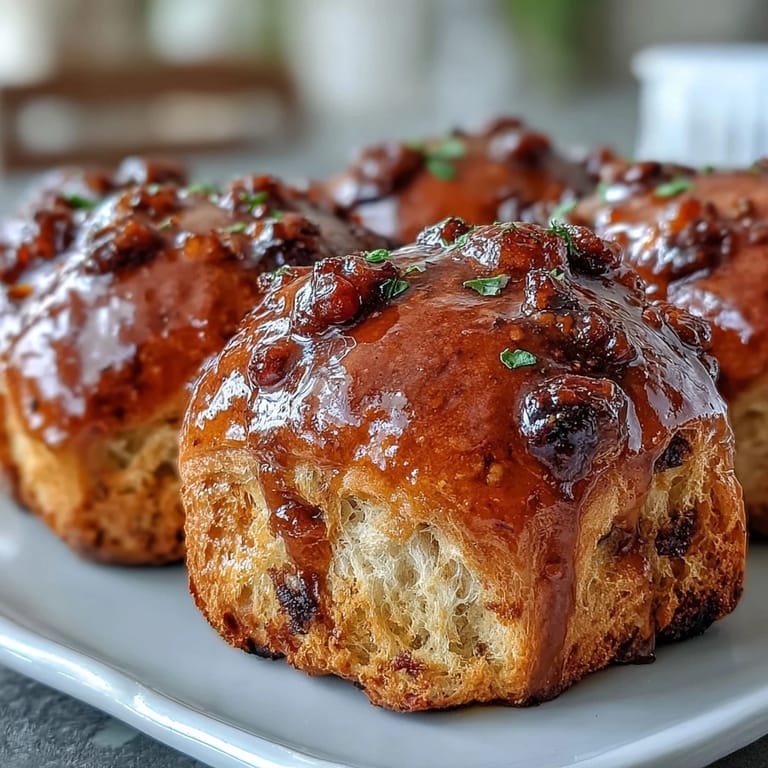
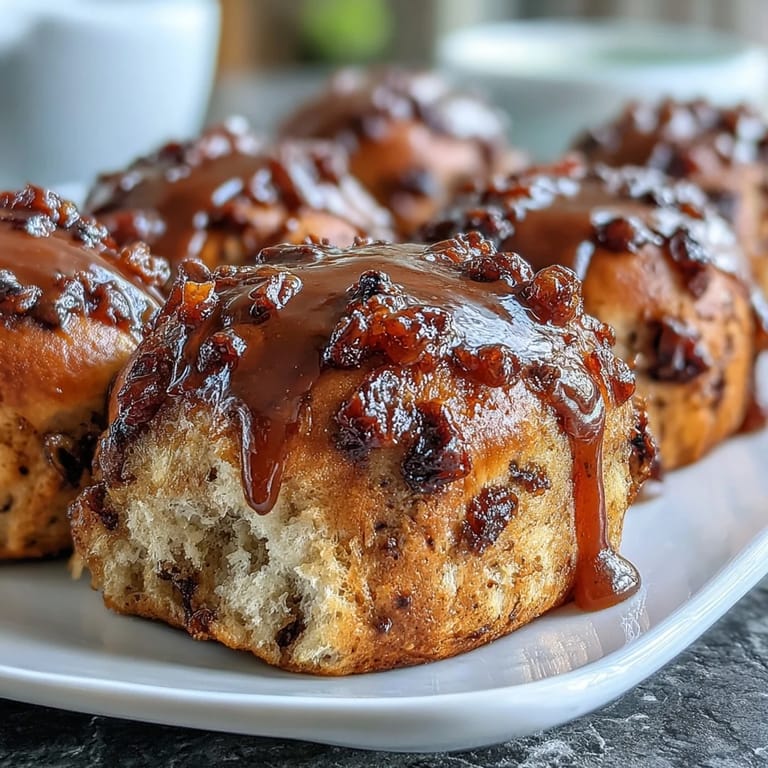
- Use a pastry brush to sweep orange glaze over the hot buns; the shine and scent are irresistible.
- Cool a bit, then serve:
- Let them rest just enough to eat without burning your fingers, then indulge while still warm.
 Save
Save There was a moment when these buns, fresh out of the oven and glowing with glaze, turned brunch into a celebration more than just a meal. Everyone paused to marvel at the fragrant steam rising up, and even someone who usually skips bread gave in. It felt like food and tradition were intertwined, and I saw why these buns are always more than just bread to people who share them. That memory lingers every time I bake them. It&apost their warmth and togetherness that makes them special.
Letting the Dough Tell You When It's Ready
The first rise can sometimes take longer if your kitchen is cold, so I watch the dough rather than the clock. If it springs back and feels airy under your fingertips, it&apost ready for the next step. I&apost learned to resist the temptation to speed things up—the patience pays off in fluffiness. Sometimes, I even set the bowl near the oven for a gentle boost. Trusting my senses has helped me more than trusting timers.
Making the Crosses Look Good (Even If They Don't)
Pipe the crosses with confidence, even if they wiggle and blur. I used to get frustrated about perfect lines, but imperfect crosses still taste wonderful. Sometimes the paste spreads or breaks, but it&apost just part of their charm. If you pipe too thin, the cross disappears—so go just thick enough to stand out. No two buns ever look identical, and that&apost the fun.
Brushing with Glaze for That Irresistible Finish
Brushing the orange glaze while the buns are hot creates a sheen that pulls everyone to the kitchen. The scent is so inviting that guests wander over before I can finish the batch, always looking for the stickiest one. Glazing generously means the flavor soaks in, not just sits on top. If some glaze pools between buns, use it for a bonus drizzle. Remember to serve them slightly warm, and if any buns last more than a day, toast and re-glaze for a fresh bite.
- Wash your piping bag right away—flour paste dries like glue.
- If you don&apost have currants, chopped dried apricots add gorgeous color.
- Don&apost skip the orange zest in the dough and glaze; it keeps everything vibrant.
 Save
Save Hot cross buns with orange glaze bring people together on lazy mornings, and they always taste brightest when shared. I hope your batch turns out beautifully sticky and full of laughter.
Recipe Q&A
- → What gives the buns their soft texture?
The combination of bread flour, enriched dough ingredients, and proper kneading creates a light, pillowy texture.
- → Can I substitute currants with other dried fruit?
Yes, you can use raisins, dried cranberries, or chopped dried apricots for variety in flavor and texture.
- → How is the orange glaze prepared?
The glaze is made by whisking powdered sugar, freshly squeezed orange juice, and orange zest together until smooth.
- → What tools are needed for making the buns?
You'll need mixing bowls, a dough hook (optional), baking tray, parchment paper, piping bag, and pastry brush.
- → Can the buns be reheated after baking?
Yes, they stay fresh for 1–2 days and can be gently reheated to restore their softness and flavor.
- → Is there a way to add extra flavor?
For extra flavor, mix in chopped candied orange peel or serve with salted butter for a traditional touch.