 Save
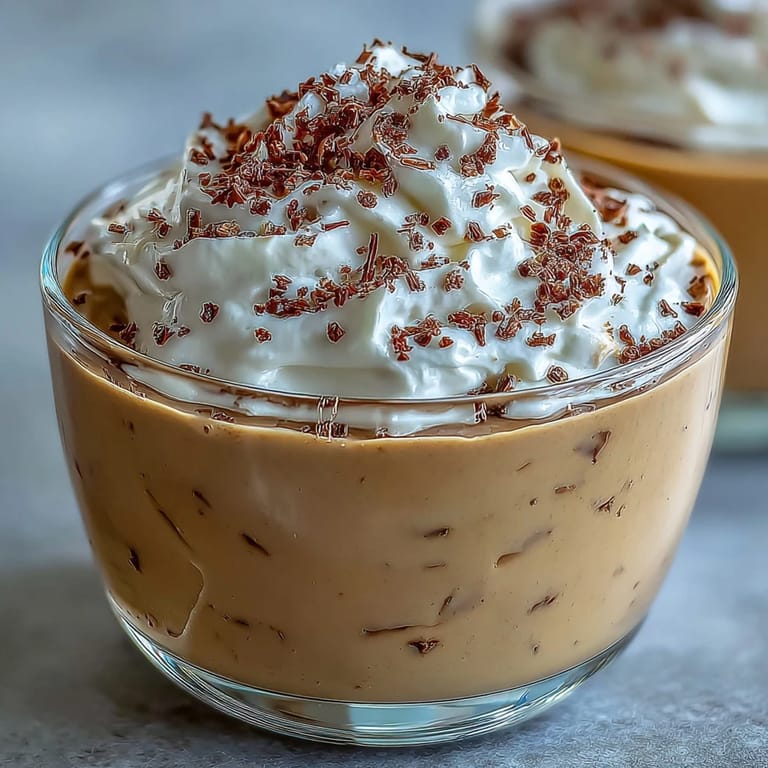
Save There's something about the aroma of hojicha that stops me mid-afternoon—that gentle, toasted warmth that's nothing like the sharp brightness of regular green tea. I discovered this pudding quite by accident when a friend left a tin of premium hojicha at my kitchen counter, and I found myself staring at it, wondering what it could become beyond the usual cup. What emerged was this silky custard that tastes like autumn in a glass, with an earthy sophistication that feels both comforting and a little bit luxurious.
I made this for my mom on a quiet Sunday morning, serving it in vintage teacups with a tiny dollop of whipped cream. She took one spoonful and went completely silent—the good kind of silent. That moment taught me that the best desserts aren't always the fanciest ones; they're the ones that make someone pause and actually taste what's in front of them.
Ingredients
- Whole milk: This is your base, so use something you'd actually drink on its own—the flavor quality matters here since nothing masks mediocrity.
- Heavy cream: This is what makes the pudding silky rather than thin and custard-like; don't skip it or substitute with milk.
- Hojicha loose leaf tea: Seek out quality roasted green tea from a specialty shop if you can; the difference between grocery store and freshly roasted is genuinely noticeable.
- Granulated sugar: Keep it simple and white; fancy sugars add nothing to this dish.
- Large eggs: Room temperature eggs temper more smoothly into the warm mixture, so pull them out of the fridge while you're steeping the tea.
- Vanilla extract: A small amount, just enough to whisper in the background and soften the tea's earthiness.
- Whipped cream and roasted tea leaves: For topping, these are optional but honestly worth the five extra minutes—they add both texture and visual appeal.
Tired of Takeout? 🥡
Get 10 meals you can make faster than delivery arrives. Seriously.
One email. No spam. Unsubscribe anytime.
Instructions
- Warm your cream and milk gently:
- Pour both into a saucepan and heat over medium until small bubbles form around the edges but nothing boils; you'll hear a quiet hiss and smell that dairy richness intensifying. This takes about 5 minutes and sets the foundation for everything that follows.
- Steep the hojicha and let it breathe:
- Remove the pan from heat and add your tea leaves, then wait. This isn't a rushed step—those 5 to 7 minutes are when all that roasted, toasty character infuses into the cream. Strain through a fine mesh sieve and discard the leaves.
- Whisk sugar and eggs into pale submission:
- In a separate bowl, combine eggs and sugar, whisking until the mixture lightens in color and looks almost fluffy. This takes a few minutes and aerates the eggs so they cook smoothly rather than scrambling.
- Temper the eggs slowly and steadily:
- This is the moment that matters most. Pour the warm hojicha mixture into the egg bowl in a thin stream while whisking constantly; never stop whisking. The constant motion ensures the eggs warm gradually instead of cooking into little scrambled bits.
- Strain for silk-like smoothness:
- Pour everything through a fine sieve one more time into a clean saucepan; this catches any bits of cooked egg or tea sediment. It feels like an extra step, but it's what transforms custard into something almost cloud-like.
- Cook over low heat with patience:
- Stir constantly with a spatula, moving along the bottom and sides of the pan, for 5 to 7 minutes until the mixture coats the back of a spoon. Watch for wisps of steam but never let it bubble; you're building viscosity, not scrambling anything.
- Chill and let it set completely:
- Pour into serving glasses while still warm, let it cool at room temperature, then refrigerate for at least 2 hours. This time in the cold is when the pudding develops its final silky set.
 Save
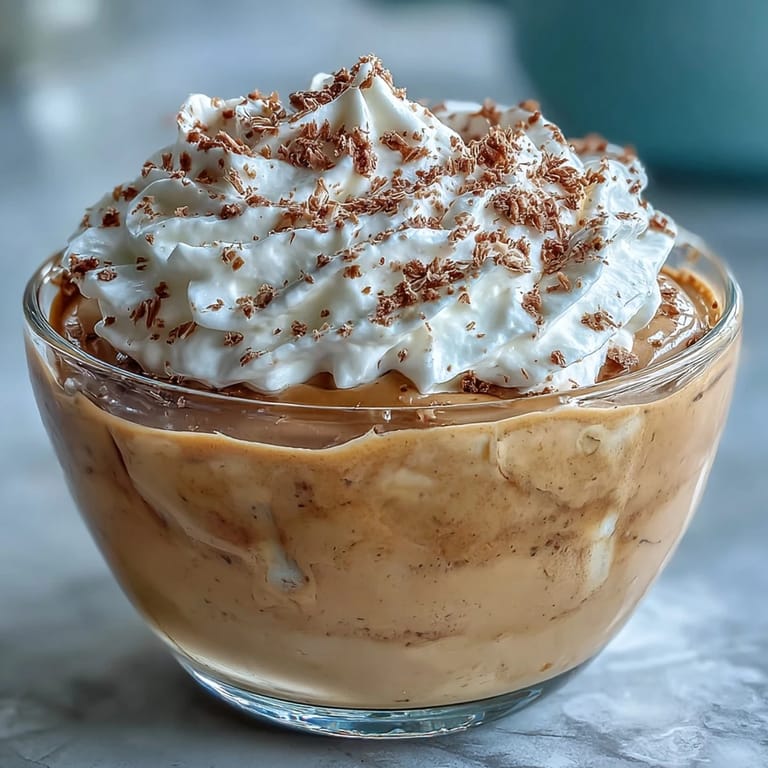
Save My neighbor tasted this pudding at a dinner party and asked if I'd gone to culinary school. I laughed and told her the truth: I made it because I was curious, and it worked. There's real joy in that—in taking something simple and watching it become something that makes people reconsider what a homemade dessert can be.
Why Hojicha Works Here
Hojicha is roasted green tea, which means it's naturally lower in bitterness than its un-roasted cousin. Instead of grassy or sharp notes, you get warmth—almost nutty, with whispers of caramel and wood smoke. In a custard, these qualities shine because they're not fighting against vanilla or chocolate; they're the whole story. The earthiness feels sophisticated rather than strange, and the aroma alone makes people slow down and actually pay attention to what they're eating.
Timing and Temperature Matter More Than You'd Think
I once tried to speed this up by heating the milk hotter and steeping the tea faster, thinking I'd save ten minutes. What I got was a pudding that tasted thin and over-brewed, like stale tea with cream added as an afterthought. Now I know: those gentle minutes of steeping at the right temperature are when the flavors develop properly. Similarly, the custard cooking stage isn't about rushing—it's about stirring steadily while watching for that exact moment when it thickens. Go too fast with heat and you'll cook the eggs; go too slow and you'll lose patience. The middle path is where magic happens.
Serving and Variations
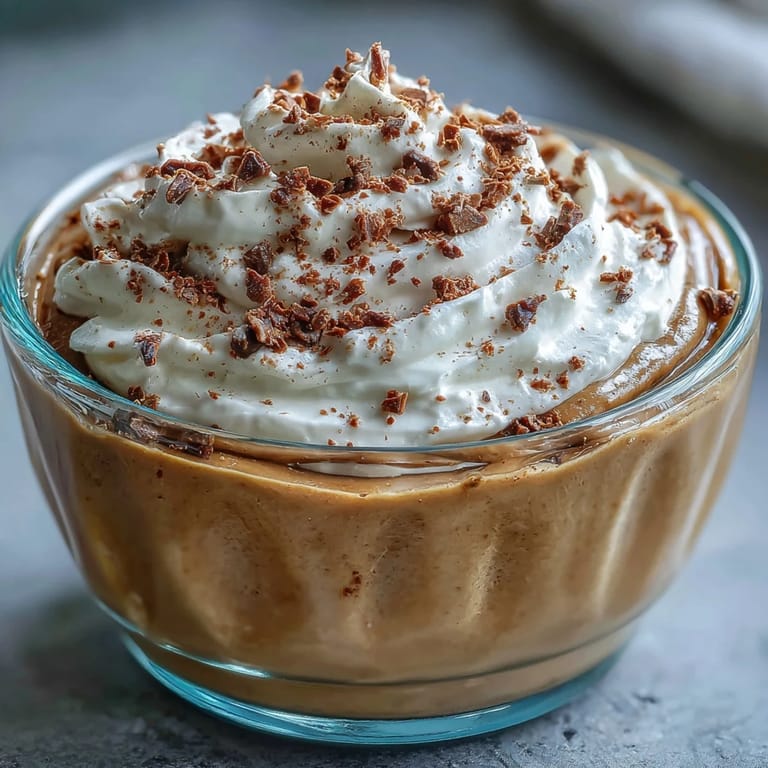
Serve this chilled in anything beautiful—teacups, small ramekins, wine glasses—because presentation matters for desserts this elegant. The pudding itself is rich enough to satisfy on its own, but a small amount of whipped cream on top adds textural contrast and a bit of lightness. Some people love it with a drizzle of honey or a scatter of fresh berries, which adds brightness. You can also make it vegan by swapping in coconut milk and a plant-based cream, then using cornstarch as a binder instead of eggs—the flavor won't be identical, but it'll be delicious in its own way. And if you find yourself with hojicha powder instead of loose leaf, use 2 teaspoons and whisk it directly into the warm milk rather than steeping it separately.
 Save
Save This pudding has become my answer to the question of what to make when I want something special but don't have hours to spend in the kitchen. It's proof that restraint and quality ingredients can create something far more memorable than complexity ever could.
Recipe Q&A
- → What makes hojicha different from other green teas?
Hojicha is roasted green tea that develops deep, earthy notes with lower caffeine content than other Japanese teas. The roasting process creates a warm, toasty character that pairs beautifully with creamy desserts.
- → Can I prepare this ahead?
This custard sets perfectly in the refrigerator for at least 2 hours. You can make it up to 2 days in advance and store it covered. The flavors actually develop more depth after chilling overnight.
- → Why strain the mixture twice?
The first straining removes tea leaves after steeping. The second straining through a fine sieve before cooking removes any cooked egg bits, ensuring the finished custard is perfectly smooth and silky.
- → How do I know when the custard is done cooking?
The custard is ready when it thickens enough to coat the back of a spoon. Run your finger through the coating—if the line stays clear, it's done. Avoid boiling to prevent curdling.
- → What garnishes work best?
Light whipped cream, extra roasted tea leaves, or a dusting of cocoa powder complement the earthy flavors. Fresh berries or a honey drizzle also add lovely contrast to the creamy custard.