 Save
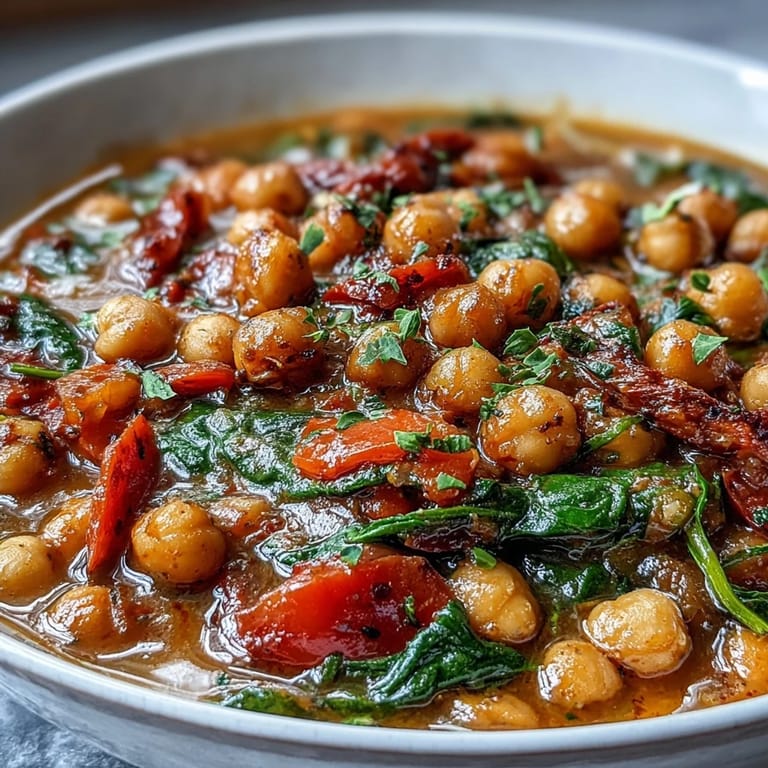
Save There's something about the smell of cumin hitting hot oil that makes me stop whatever I'm doing in the kitchen. I discovered this stew on a chilly afternoon when I wanted something warm but couldn't face another predictable dinner. Tossing in chickpeas and letting them simmer with tomatoes felt like the right move, and what emerged was this glowing, spice-forward bowl that somehow felt both comforting and alive.
I made this for a friend who'd just switched to eating plant-based, and I watched her take that first spoonful with a bit of hesitation. The moment she tasted it, her whole face changed. She asked for the recipe before she'd even finished the bowl, which told me everything I needed to know about whether this stew could stand on its own.
Ingredients
- Olive oil (2 tablespoons): Good quality matters here since it's one of the few fats carrying flavor through the whole dish.
- Large onion (1, diced): The foundation of everything—take a moment to dice it evenly so it cooks at the same pace as the garlic.
- Garlic cloves (2, minced): Don't skip mincing these fine or they'll turn bitter while the stew simmers.
- Medium carrots (2, diced): Cut them slightly smaller than the other vegetables so they soften together.
- Red bell pepper (1, diced): The sweetness balances the heat beautifully.
- Zucchini (1, diced): Adds substance without drowning out the spices.
- Chickpeas (2 cans, drained and rinsed): Always rinse canned chickpeas to remove the starchy liquid that can muddy the broth.
- Ground cumin (1 teaspoon): This is the backbone spice—don't underestimate its warming power.
- Ground coriander (1 teaspoon): Adds a subtle citrusy note that keeps the stew from feeling one-dimensional.
- Smoked paprika (1 teaspoon): The secret to depth and a hint of smokiness without any actual fire.
- Ground turmeric (1/2 teaspoon): Anti-inflammatory and earthy, though a little goes a long way.
- Chili flakes (1/2 teaspoon): Adjust this based on your threshold for heat and whether you want lingering warmth or immediate spice.
- Ground black pepper (1/2 teaspoon): Freshly ground makes a noticeable difference.
- Sea salt (1 teaspoon): Taste as you go and adjust—the broth will bring additional saltiness.
- Diced tomatoes (1 can, 14 oz): The acidity brightens everything and prevents the spices from feeling heavy.
- Vegetable broth (3 cups): Use a good quality broth or make your own if you have time.
- Fresh spinach or kale (2 cups, chopped): Add this at the end so it stays vibrant and doesn't disappear into the stew.
- Lemon juice (juice of 1 lemon): This final squeeze wakes up every flavor in the pot—don't skip it.
- Fresh cilantro or parsley (for garnish): The bright finish makes all the difference between a good stew and an exceptional one.
Tired of Takeout? 🥡
Get 10 meals you can make faster than delivery arrives. Seriously.
One email. No spam. Unsubscribe anytime.
Instructions
- Build your base with warmth:
- Heat the olive oil over medium heat and add your diced onion, letting it turn translucent and soft around the edges. You'll know it's ready when the kitchen smells sweet and you can press a piece with your spoon and it gives immediately.
- Layer in the vegetables:
- Stir in the garlic, carrots, bell pepper, and zucchini, cooking for about 5 minutes while stirring now and then. The vegetables should start to soften at the edges but still have some resistance when you bite one.
- Toast the spices:
- Add all your spices to the pot and stir constantly for about 1 minute—this releases their oils and stops them from tasting raw or chalky. The aroma will shift from individual spices to something unified and complex.
- Bring it together:
- Pour in the chickpeas, diced tomatoes, and vegetable broth, then let everything come to a boil before reducing the heat to a gentle simmer. Let it bubble softly uncovered for 20 to 25 minutes, stirring occasionally to make sure nothing sticks to the bottom.
- Finish with greens:
- Stir in your chopped spinach or kale and let it wilt for a couple of minutes until the bright green color darkens just slightly. The greens will shrink significantly, so don't worry if it looks like a lot at first.
- Brighten with acid:
- Squeeze in the lemon juice and taste the stew—you might want a pinch more salt or a few more chili flakes depending on your preference. This is your moment to make it yours.
 Save
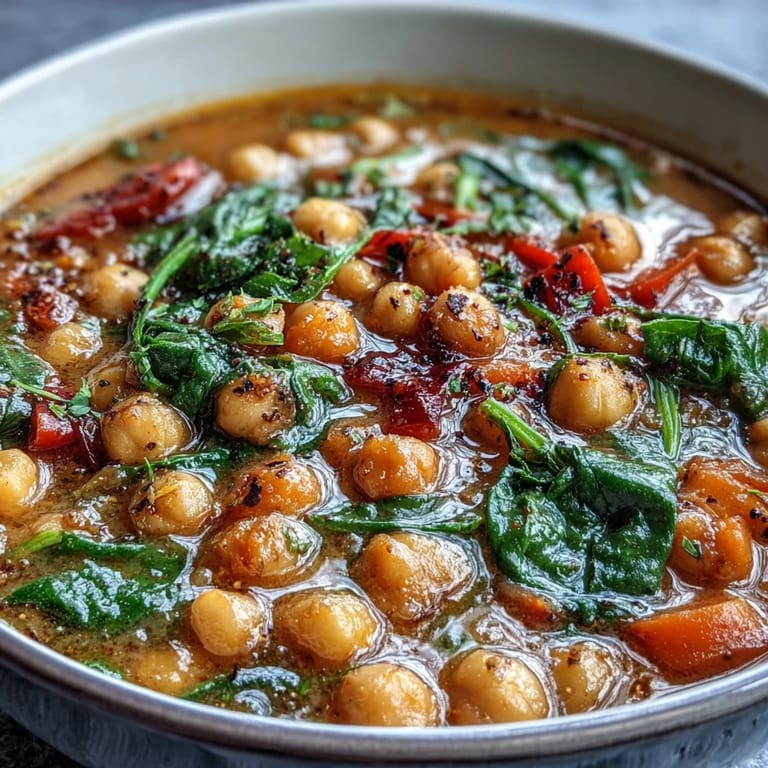
Save There's a particular satisfaction that comes from eating a stew that's nourishing and tastes genuinely good, without any compromise between the two. This dish became that for me—the kind you return to when you want to feel cared for, whether you're doing the caring or someone else is.
Why This Stew Works for Your Gut
Chickpeas are loaded with fiber and resistant starch, which feed the beneficial bacteria in your digestive system. The turmeric and coriander bring their own anti-inflammatory properties, while the leafy greens add even more prebiotic fiber. Together, they create a meal that doesn't just taste good but actually supports your body's ability to thrive from the inside out.
Making It Your Own
This stew is forgiving in the best way possible. I've made it with sweet potato instead of zucchini, added eggplant for earthiness, and even stirred in a handful of spinach blend when fresh greens weren't on hand. The spice ratios can shift based on what you have and what your palate craves—more chili flakes if you want heat, less turmeric if it's overpowering, or an extra teaspoon of coriander if you want that citrusy note to shine.
Serving and Storage Ideas
This stew gets even better the next day when all the flavors have had time to marry together. Serve it over brown rice, quinoa, or thick slices of crusty bread for something more substantial, or eat it as is if you're keeping it light. I've found that a squeeze of fresh lemon juice right before serving keeps each bowl tasting bright and alive.
- For creaminess without dairy, blend a cup of the finished stew and stir it back in to create body and richness.
- Store leftovers in an airtight container in the fridge for up to 4 days, or freeze for up to 3 months.
- If you want extra depth, cook a diced sweet potato or eggplant with the other vegetables for more fiber and a slightly different texture.
 Save
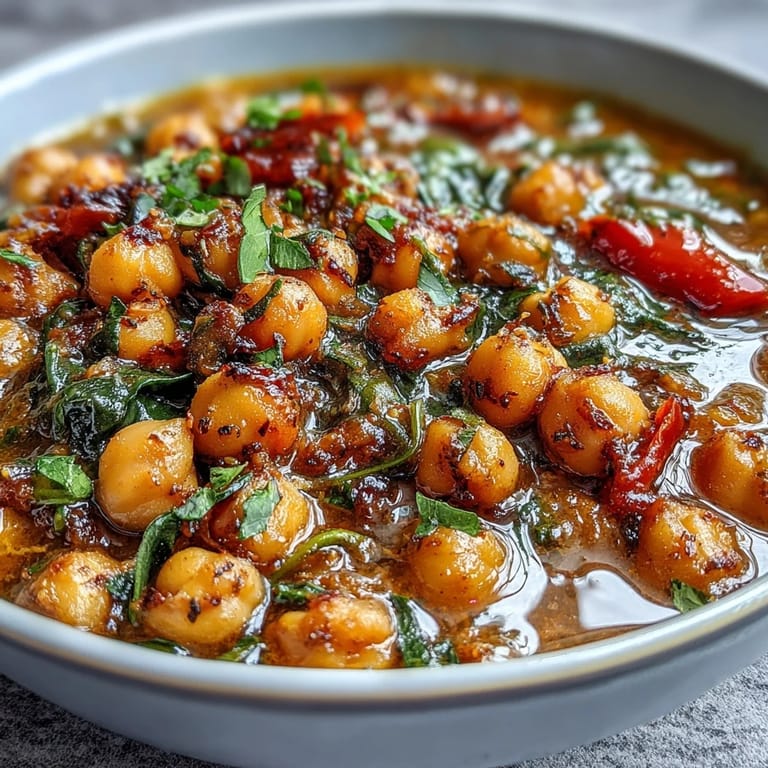
Save This stew is the kind of meal that reminds you why cooking matters—not for complexity or showing off, but for the simple act of nourishing yourself and the people you care about. Make it whenever you need something that feels both grounding and alive.
Recipe Q&A
- → Can I make this stew ahead of time?
Absolutely. This stew actually develops deeper flavors when made ahead. Store in the refrigerator for up to 4 days or freeze for up to 3 months. Reheat gently on the stovetop, adding a splash of water or broth if needed.
- → What can I serve with this chickpea stew?
This stew pairs beautifully with brown rice, quinoa, or crusty bread for soaking up the flavorful broth. You can also serve it over couscous, millet, or simply enjoy it on its own as a complete meal.
- → How can I make this stew creamier?
For added creaminess, blend about one cup of the finished stew and stir it back into the pot. You can also add a splash of coconut milk or stir in some tahini near the end of cooking.
- → Can I add other vegetables to this stew?
Certainly. Sweet potato, eggplant, butternut squash, or green beans would all work well. Add hearty vegetables like sweet potato or squash in step 2 so they have time to cook through.
- → How spicy is this stew?
The stew has a mild to moderate heat from the chili flakes. You can easily adjust the spice level by reducing or increasing the amount of chili flakes to suit your preference. For more heat, add a diced jalapeño with the onions.
- → Is this stew freezer-friendly?
Yes, this stew freezes exceptionally well. Let it cool completely, then transfer to freezer-safe containers. It will keep for up to 3 months. Thaw overnight in the refrigerator before reheating.