 Save
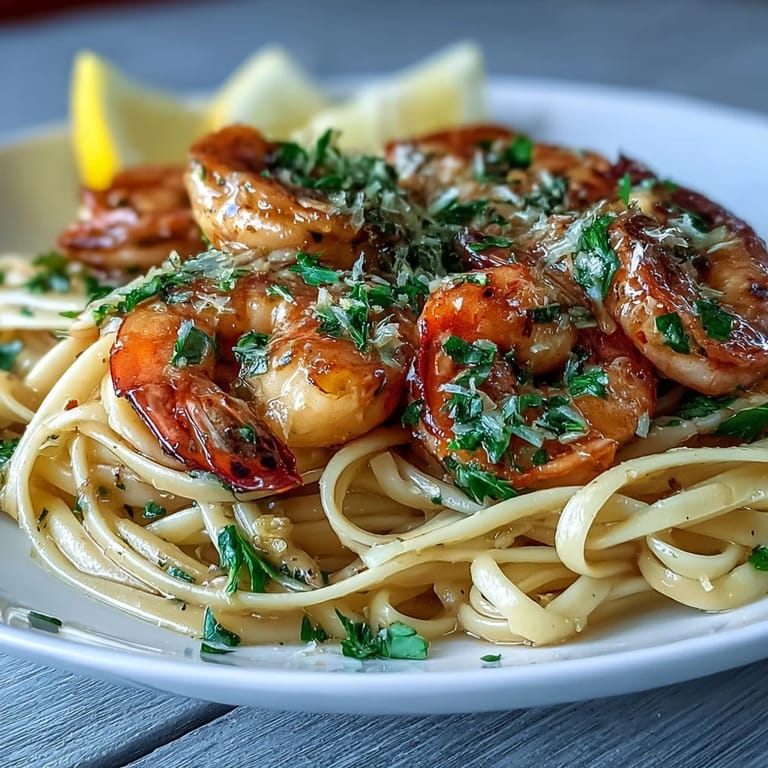
Save The sizzle of garlic hitting warm butter still makes me pause whatever I'm doing in the kitchen. I learned to make shrimp scampi on a Tuesday night when I had exactly twenty-seven minutes before my in-laws arrived, and somehow that frantic energy made the dish taste even better. The wine reduced faster than I expected, the shrimp curled into perfect pink commas, and the pasta water I almost forgot to save became the secret that pulled everything together. Sometimes the best recipes are the ones that teach you to trust your instincts. This one never lets me down.
I once made this for a friend who swore she didn't like shrimp. She finished her plate before I'd even sat down, then asked if there was more in the pan. We ended up splitting the last tangle of linguine straight from the skillet, standing at the stove with forks in hand. That's when I realized this dish doesn't just feed people, it disarms them. The lemon cuts through the richness just enough to keep you coming back for one more bite, and the parsley adds a freshness that makes the whole thing feel alive.
Ingredients
- Large shrimp, peeled and deveined: Look for shrimp that smell like the ocean, not fishy or sharp, and pat them completely dry so they sear instead of steam.
- Linguine: The flat ribbons catch sauce better than round spaghetti, and cooking it just shy of tender means it finishes perfectly in the skillet.
- Unsalted butter: Using unsalted lets you control the seasoning, and adding it in stages builds a sauce that tastes layered and complex.
- Extra-virgin olive oil: It keeps the butter from burning and adds a fruity backdrop that complements the garlic without overpowering it.
- Garlic, finely minced: Fresh garlic is non-negotiable here, slice it too thick and it won't melt into the sauce, burn it and the whole dish turns bitter.
- Red pepper flakes: A small pinch adds warmth without heat, but leave them out entirely if you're cooking for cautious eaters.
- Lemon zest and juice: The zest carries essential oils that brighten the butter, while the juice adds acidity that balances the richness.
- Fresh parsley, chopped: This isn't just garnish, it's a flavor layer that makes the dish taste brighter and less heavy.
- Dry white wine: A wine you'd actually drink, nothing labeled cooking wine, deglazes the pan and adds a subtle complexity that water can't replicate.
Tired of Takeout? 🥡
Get 10 meals you can make faster than delivery arrives. Seriously.
One email. No spam. Unsubscribe anytime.
Instructions
- Boil the pasta:
- Salt the water generously, it should taste like the sea, and cook the linguine until it still has a slight bite. Scoop out half a cup of that starchy pasta water before you drain, it's liquid gold for finishing the sauce.
- Prep the shrimp:
- Dry them thoroughly with paper towels and season lightly with salt and pepper. Wet shrimp won't brown, they'll just release moisture and turn rubbery.
- Start the aromatics:
- Melt two tablespoons of butter with two tablespoons of olive oil over medium heat, then add the garlic and red pepper flakes. Stir constantly for about a minute until the garlic smells sweet and toasted, but pull it off the heat before it turns golden.
- Sear the shrimp:
- Lay them in a single layer without crowding the pan, let them cook untouched for a minute or two until the bottoms turn pink and opaque, then flip and repeat. Transfer them to a plate as soon as they're just cooked through, they'll finish in the sauce later.
- Deglaze with wine and lemon:
- Pour in the white wine and lemon juice, scraping up all those browned bits stuck to the pan. Let it bubble and reduce for two to three minutes until it smells bright and concentrated.
- Build the sauce:
- Stir in the remaining butter and olive oil, swirling the pan until everything emulsifies into a glossy, unified sauce. This is where the magic happens, fat and acid becoming something greater together.
- Reunite the shrimp:
- Add the shrimp back along with any juices that collected on the plate, then toss in the lemon zest and half the parsley. Let everything mingle for a moment so the shrimp absorb the flavors.
- Toss the pasta:
- Add the drained linguine directly to the skillet and toss with tongs, adding splashes of reserved pasta water until the sauce clings to every strand. Taste and adjust the salt and pepper, remembering that pasta water is already salty.
- Serve immediately:
- Plate it while it's still steaming, scatter the remaining parsley over the top, and tuck lemon wedges alongside. This dish loses its magic if it sits, so gather everyone before you start tossing.
 Save
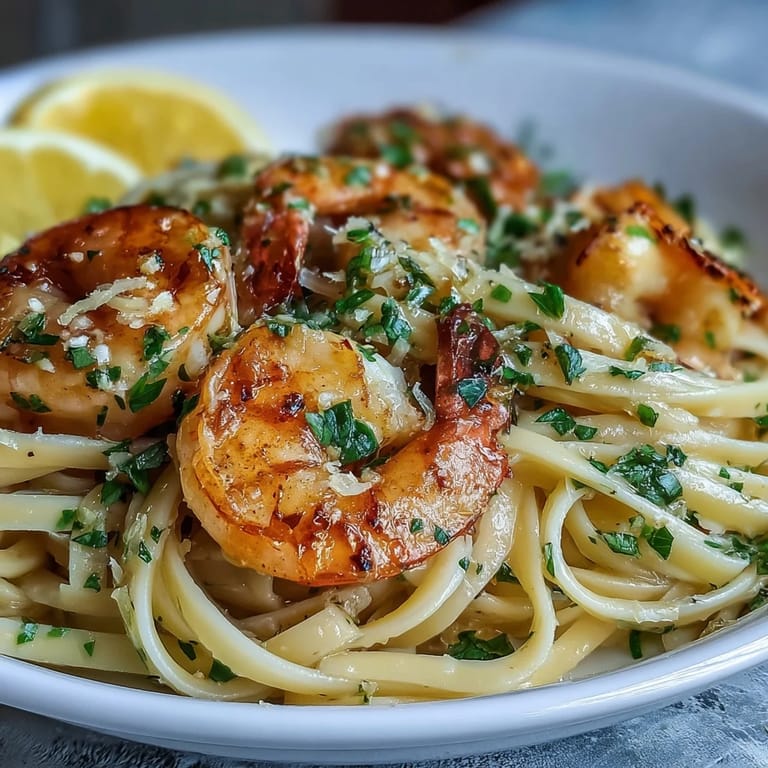
Save There was a summer evening when I served this on the back porch with nothing but a green salad and too much wine. The sun stayed up late, the conversation wandered, and we wiped the plates clean with bread I'd forgotten I had. No one wanted to go inside. That's what this dish does, it creates a moment worth lingering in, where the food is good enough to quiet the table for a few bites before the laughter starts again.
Choosing Your Shrimp
I used to grab whatever shrimp was on sale until I noticed the difference fresh, never-frozen shrimp made in both texture and flavor. If you can only find frozen, thaw them overnight in the fridge and drain off every drop of excess moisture before cooking. Size matters too, anything smaller than large shrimp cooks so fast you'll miss the window, and anything jumbo won't finish cooking through in the same timing. Look for shrimp that are firm, glossy, and smell clean, and if they've been treated with sodium solutions, rinse and dry them even more carefully.
Getting the Sauce Just Right
The first time I made this, my sauce broke because I added cold butter to a pan that was too hot, and I learned that temperature control is everything. Keep the heat at medium, let the wine reduce until it's almost syrupy, and add the final butter off the heat while swirling constantly. If your sauce looks thin, a splash of pasta water will help it emulsify and cling. If it looks greasy, you've added the fat too fast, just keep tossing and it will come together as it cools slightly.
Make It Your Own
Once you've made this a few times, it becomes a template for whatever sounds good that day. I've stirred in halved cherry tomatoes with the garlic for bursts of sweetness, tossed in baby spinach at the end for color, and even added a pinch of saffron when I wanted to feel fancy. Some nights I use spaghetti because that's what's in the pantry, other times I swap the linguine for fettuccine when I want something more substantial.
- Try a handful of capers for briny brightness if you're a fan of bold flavors.
- Finish with a drizzle of good olive oil and a sprinkle of flaky sea salt for extra richness.
- If you're serving a crowd, double the recipe but cook the shrimp in two batches so they actually sear instead of steam.
 Save
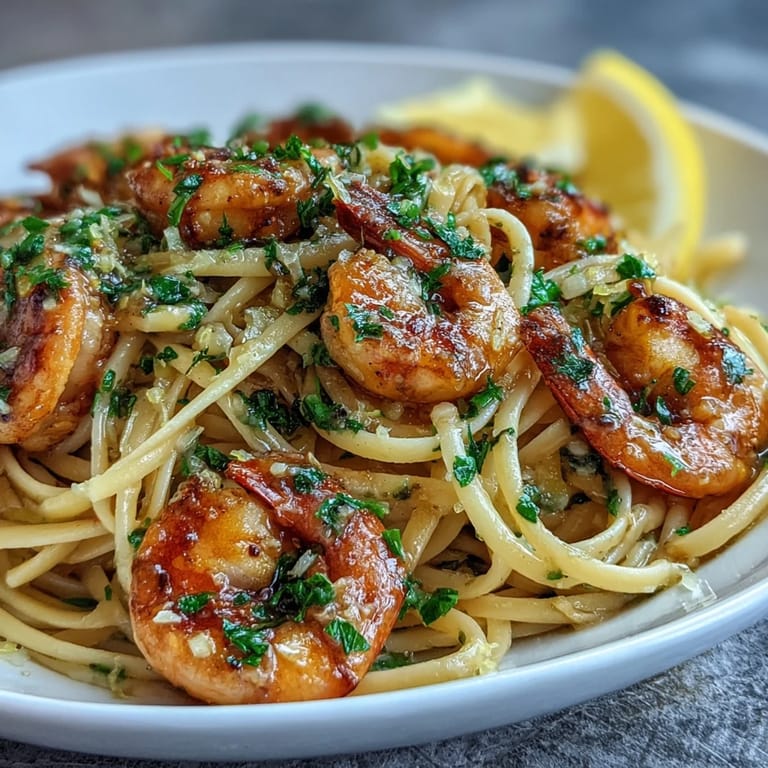
Save This is the kind of dish that makes you look like you know what you're doing, even on nights when you barely have it together. Keep the ingredients on hand, and you'll always have an answer when someone asks what's for dinner.
Recipe Q&A
- → Can I use frozen shrimp for this dish?
Yes, frozen shrimp works perfectly. Thaw them completely in the refrigerator overnight or under cold running water, then pat them thoroughly dry before cooking to ensure proper searing.
- → What type of white wine should I use?
A dry white wine like Pinot Grigio, Sauvignon Blanc, or Chardonnay works best. Choose something you'd enjoy drinking, as the flavor concentrates during cooking.
- → How do I prevent the garlic from burning?
Keep the heat at medium and sauté the garlic for only about 1 minute until fragrant. Add the shrimp promptly to prevent browning, which can make garlic taste bitter.
- → Can I make this ahead of time?
This dish is best served immediately for optimal texture and flavor. However, you can prep ingredients in advance and cook the shrimp and sauce while the pasta boils for quick assembly.
- → What pasta shapes work as alternatives to linguine?
Spaghetti, fettuccine, or angel hair pasta are excellent substitutes. Any long pasta that can be easily tossed with the sauce and shrimp will work well.
- → How can I tell when the shrimp are perfectly cooked?
Shrimp are done when they turn pink and opaque, forming a loose C-shape. They cook quickly—about 1-2 minutes per side. Overcooked shrimp become rubbery and tough.