 Save
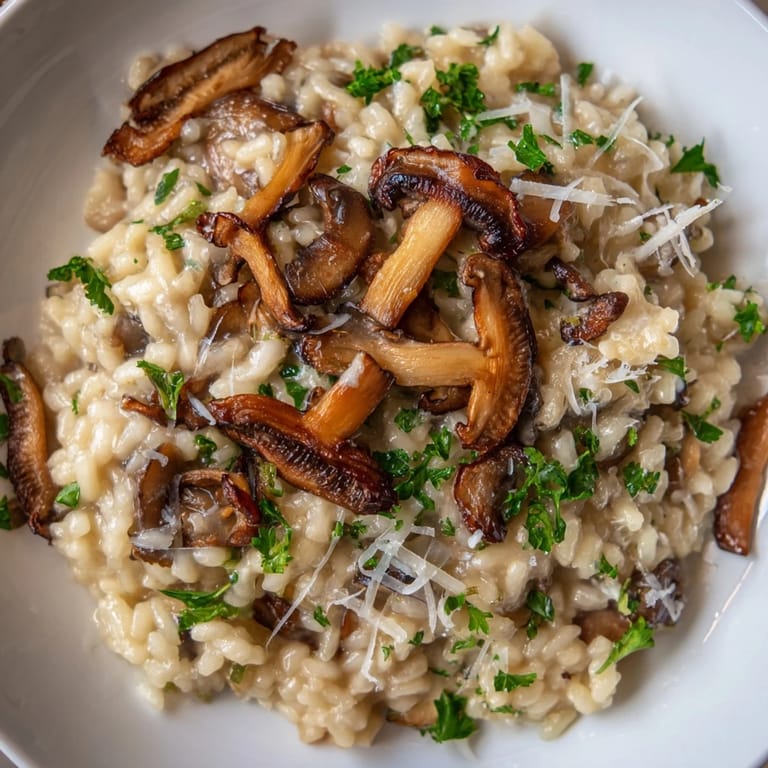
Save My kitchen smelled like a forest after rain the first time I roasted mushrooms for risotto instead of just stirring them in raw. The edges caramelized, the thyme crisped, and suddenly the whole dish had this earthy depth I didn't know was missing. I stood at the stove that night, ladling broth and wondering why I'd waited so long to try it this way. Now every time I make risotto, I roast the mushrooms first, no exceptions.
I cooked this for my sister on a rainy Tuesday when she needed comfort more than conversation. We didn't talk much, just the sound of the spoon scraping the pan and the occasional hum of approval. By the time we sat down, the storm had passed, and she told me it was the best thing she'd eaten all month. Sometimes a bowl of risotto says more than words ever could.
Ingredients
- Mixed mushrooms (400 g): Use a mix of cremini, shiitake, and button for layers of flavor; the variety makes each bite a little different.
- Olive oil (2 tbsp for mushrooms, 1 tbsp for risotto): Don't skimp on this; it helps the mushrooms brown and keeps the rice from sticking early on.
- Sea salt and black pepper: Season the mushrooms before roasting so the flavor soaks in, not just sits on top.
- Fresh thyme (2 tsp): Fresh thyme is worth it here; dried works, but fresh leaves taste like the woods in the best way.
- Vegetable broth (1.5 L): Keep it warm in a pot on the back burner; cold broth shocks the rice and slows everything down.
- Unsalted butter (2 tbsp): This is your richness insurance; it makes the risotto glossy and ties everything together at the end.
- Yellow onion (1 medium): Chop it fine so it melts into the rice and becomes invisible, just sweetness and body.
- Garlic (2 cloves): Mince it small and add it after the onion softens; garlic burns fast and turns bitter if you rush it.
- Arborio rice (320 g): This short grain rice releases starch as it cooks, which is what makes risotto creamy without cream.
- Dry white wine (120 ml): It adds brightness and cuts through the richness; use something you'd actually drink, not cooking wine.
- Parmesan cheese (60 g, plus extra): Grate it fresh; the pre grated stuff doesn't melt the same and tastes like cardboard.
- Fresh parsley (2 tbsp): Chop it right before you stir it in so it stays green and vibrant, not sad and wilted.
Tired of Takeout? 🥡
Get 10 meals you can make faster than delivery arrives. Seriously.
One email. No spam. Unsubscribe anytime.
Instructions
- Roast the mushrooms:
- Preheat your oven to 220°C (425°F) and toss the sliced mushrooms with olive oil, salt, pepper, and thyme until they're well coated. Spread them out on a baking sheet in a single layer and roast for 20 to 25 minutes, stirring once halfway through, until they're golden, tender, and smell like the best part of autumn.
- Start the risotto base:
- While the mushrooms roast, heat butter and olive oil in a large, heavy bottomed saucepan over medium heat, then add the finely chopped onion and cook for about 5 minutes until it's soft and translucent. Stir in the minced garlic and cook for just 1 minute until fragrant, then add the arborio rice and toast it for 2 minutes, stirring constantly so every grain gets a little glossy.
- Deglaze with wine:
- Pour in the white wine and stir until it's almost completely absorbed, scraping up any bits stuck to the bottom of the pan. This is where the magic starts; the wine adds a bright note that balances the richness to come.
- Add broth gradually:
- Add the warm vegetable broth one ladleful at a time, stirring frequently and waiting until each addition is mostly absorbed before adding the next. Keep this rhythm going for about 25 to 30 minutes until the rice is creamy on the outside but still has a tiny bite in the center.
- Finish with mushrooms and cheese:
- Stir in the roasted mushrooms (save a few for garnish if you want to show off), the grated Parmesan, and the chopped parsley, then taste and adjust the seasoning with salt and pepper. The risotto should be loose and flowing, not stiff, so add a splash more broth if it needs it.
- Serve immediately:
- Spoon the risotto into warm bowls and top with extra Parmesan and the reserved mushrooms. Risotto waits for no one, so call everyone to the table and serve it right away while it's still creamy and perfect.
 Save
Save The first time I nailed this recipe, I called my friend who'd studied in Italy and made her try it over video chat. She took one bite, closed her eyes, and said it tasted like the little trattoria near her old apartment. That's when I knew I'd finally figured it out.
Choosing Your Mushrooms
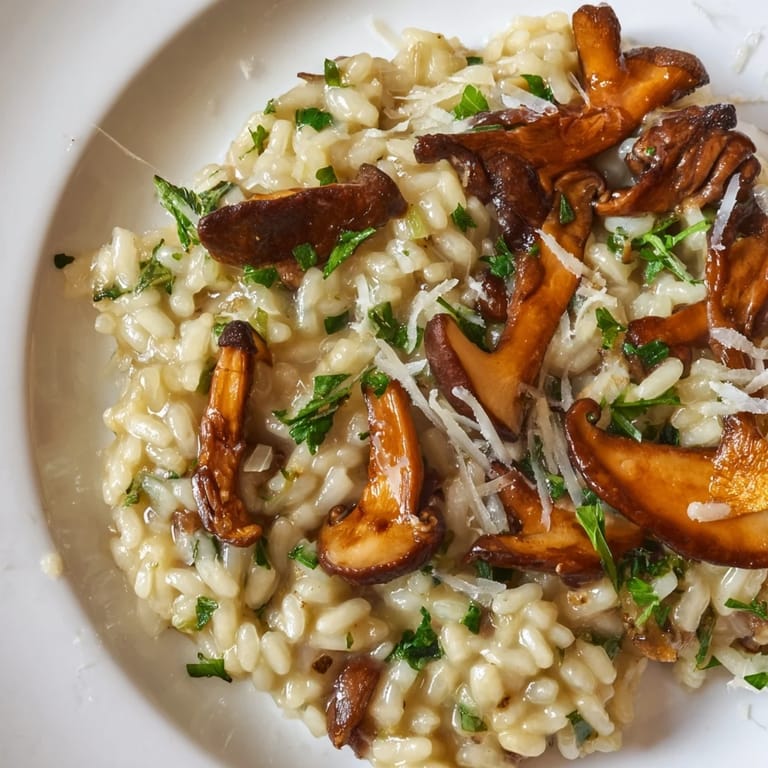
I used to grab whatever mushrooms were on sale, but mixing varieties changed everything. Cremini have a meaty texture, shiitake bring umami depth, and button mushrooms bulk it out without overpowering the others. If you can only find one type, go with cremini or baby bellas; they have enough flavor to stand alone. Wild mushrooms like chanterelles or porcini are incredible here if you find them, but they're not essential for a fantastic result.
The Stirring Myth
Everyone says you have to stir risotto constantly, and I used to stand there with my arm aching, convinced I couldn't step away for a second. The truth is, you need to stir frequently, but not obsessively; every 30 seconds or so is fine. I've answered the door, poured wine, and even chopped parsley mid risotto without disaster. Just don't abandon it for long stretches, and you'll be fine.
Making It Your Own
Once you have the technique down, risotto becomes a canvas for whatever you love. I've stirred in roasted butternut squash in the fall, fresh peas and lemon zest in the spring, and even leftover roasted chicken when I needed to use it up. The base stays the same, but the additions can follow the seasons or whatever's hiding in your fridge.
- Try finishing with a handful of baby spinach or arugula for color and a peppery bite.
- A drizzle of truffle oil at the end makes it feel absurdly luxurious without much effort.
- Swap the Parmesan for Pecorino Romano if you want a sharper, saltier finish.
 Save
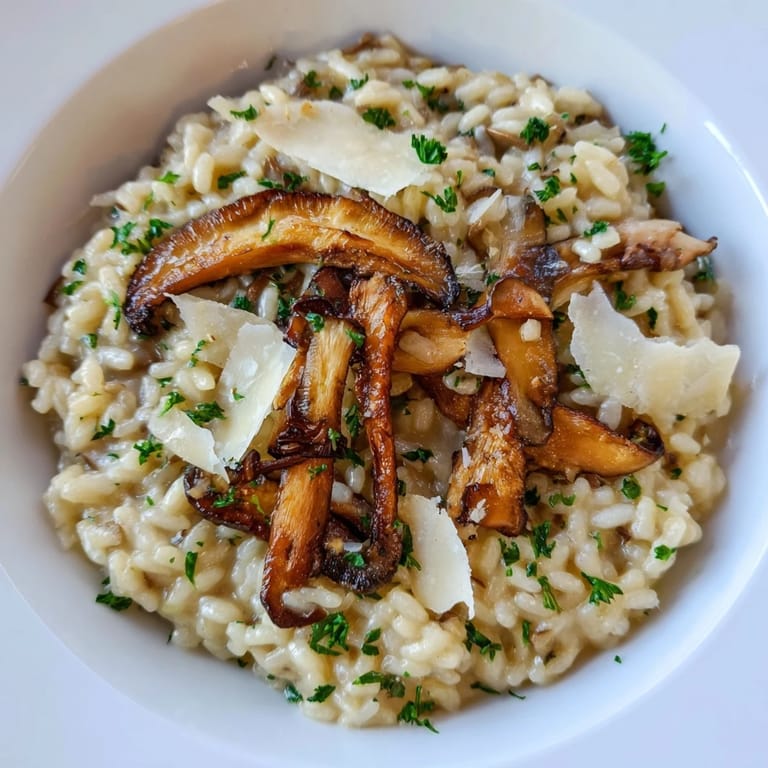
Save This risotto has become my answer to cold nights, hard days, and the need to feel like I've made something real. It asks for your attention, but it gives back warmth, comfort, and the kind of meal that makes people linger at the table.
Recipe Q&A
- → What makes risotto creamy without cream?
Risotto achieves its creamy texture through the starch released from arborio rice as it's stirred with warm broth. The gradual absorption and constant stirring create a naturally velvety consistency without added cream.
- → Can I use different mushroom varieties?
Absolutely. A mix of cremini, shiitake, and button mushrooms works best for depth of flavor, but you can use whatever varieties are available. Cremini and oyster mushrooms are excellent alternatives.
- → Why is stirring so important in risotto?
Frequent stirring releases the rice's starch into the liquid, creating the characteristic creamy sauce. It also ensures even cooking and prevents sticking to the bottom of the pan.
- → How do I know when risotto is done?
The rice should be tender but still have a slight firmness in the center (al dente) when you bite it. It should flow slightly on the plate when served, not be stiff or mushy.
- → Can I prepare this ahead of time?
Risotto is best served immediately, but you can roast the mushrooms several hours ahead. To avoid overcooking, add broth just before serving and finish cooking the rice fresh.
- → What's the best wine pairing for this dish?
A crisp Pinot Grigio complements the earthy mushrooms beautifully. Light reds like Pinot Noir also work well, offering acidity that balances the creamy, savory flavors.