 Save
Save I discovered this version of mac and cheese on a Tuesday afternoon when I was tired of feeling guilty about my usual comfort food habits. My blender sat there looking underused, and I had cottage cheese leftover from a failed smoothie experiment. The combination felt like a small rebellion against the typical heavy cream approach, and within minutes of blending, I realized I'd stumbled onto something that tasted indulgent while actually nourishing my body the way I wanted it to.
I made this for my roommate on a random Thursday, and watching her taste it then pause to ask if I'd added cream was oddly validating. She couldn't believe the base was cottage cheese, and that moment cemented it as my go-to dish when I want to feed people something that feels special without the fuss or the ingredient list that reads like a grocery store aisle.
Ingredients
- High-Protein Pasta (300 g): Chickpea or lentil pasta gives you a nutrition boost without tasting different, though whole wheat works beautifully too if that's what you have on hand.
- Low-Fat Cottage Cheese (300 g): This is the secret—it blends into something silky and becomes completely undetectable, while delivering most of your protein.
- Low-Fat Milk (120 ml): Dairy or unsweetened plant-based both work; this keeps the sauce pourable without adding unnecessary fat.
- Sharp Cheddar (100 g): Sharp varieties have more punch, so you use less and still get that unmistakable cheese flavor.
- Parmesan (40 g): Freshly grated makes a difference in how smoothly it melts into the sauce.
- Nutritional Yeast (1 tbsp, optional): A umami layer if you want it, especially helpful if you're leaning plant-based.
- Cornstarch (1 tbsp): This prevents the sauce from breaking or getting grainy as it heats; arrowroot powder works just as well.
- Dijon Mustard (1 tsp): A tiny amount that you won't taste as mustard, but it brightens and stabilizes the whole sauce.
- Garlic and Onion Powder (½ tsp each): Dried powders dissolve smoothly into a blended sauce better than fresh.
- Black Pepper and Salt (¼ tsp each): Season to taste—some pastas and cheeses are saltier than others.
Tired of Takeout? 🥡
Get 10 meals you can make faster than delivery arrives. Seriously.
One email. No spam. Unsubscribe anytime.
Instructions
- Start the pasta:
- Get a large pot of salted water boiling while you gather your other ingredients. The salt should taste like the sea—this is your only seasoning chance for the pasta itself.
- Blend the magic:
- While the pasta bubbles away, throw cottage cheese, milk, both cheeses, and all the seasonings into your blender. Blend until it's genuinely smooth with no cottage cheese lumps visible; this takes longer than you'd think but creates that velvety texture.
- Heat gently:
- Pour the sauce into a saucepan over medium-low heat and whisk constantly for 3-5 minutes until it thickens slightly and steam rises from the surface. Low heat is key here—too hot and the cheese can separate into greasy puddles.
- Unite everything:
- Drain your pasta, add it to the sauce, and toss for 1-2 minutes to coat every strand and warm through. If it seems too thick, add splashes of that reserved pasta water until it moves smoothly.
- Optional crunch:
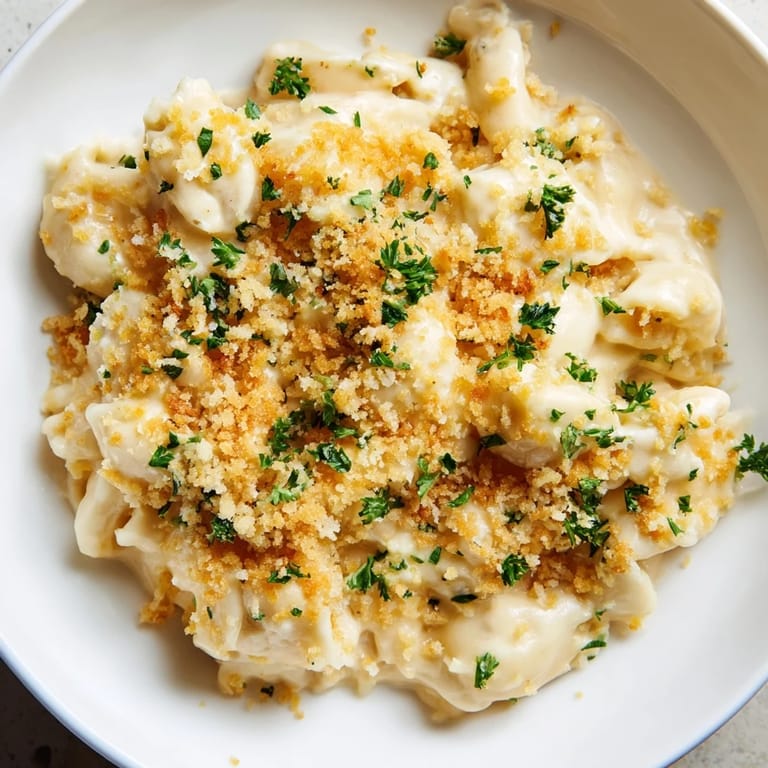
- Transfer to a baking dish, scatter breadcrumbs on top, and broil for 2-3 minutes until golden if you want that textural contrast.
- Serve and savor:
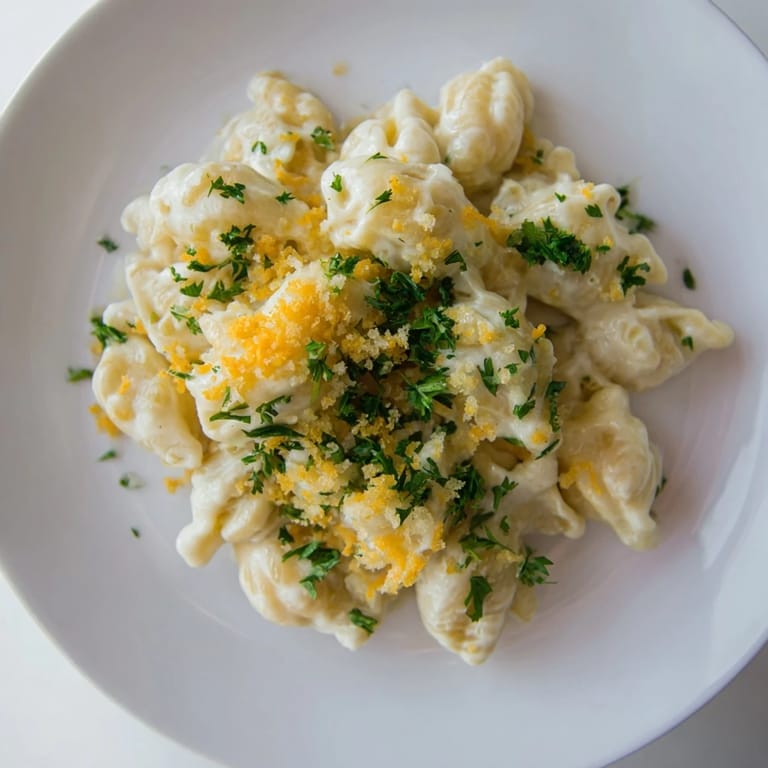
- Finish with fresh parsley and eat while it's hot, because the sauce continues to thicken as it cools.
 Save
Save There's a moment when the aroma shifts from just hot cheese to something genuinely comforting, and that's when I know it's ready. This dish has become my answer to the question "what do you make when you want something that feels like a hug but also respects your goals."
Making It Your Own
The beauty of this sauce is how it adapts to what you're actually craving and what you have in the kitchen. I've stirred in roasted broccoli, cherry tomatoes, crispy pancetta, or even a handful of spinach without it ever feeling awkward or competing with the cheese sauce itself. Each addition just makes it more interesting without requiring you to change a single other step.
Protein Strategies
If the protein content isn't quite enough for what you need, there are seamless additions that don't change the cooking method. Shredded rotisserie chicken stirred in at the end, steamed broccoli florets tossed in before serving, or even a poached egg on top all shift the nutrition profile without making dinner more complicated than it already is.
Storage and Leftovers
Leftovers reheat gently in a saucepan with a splash of milk, and honestly they taste just as good cold from the fridge if you're eating them straight at midnight. This recipe holds up beautifully in the refrigerator for up to three days, making it one of those dishes that actually improves your week instead of creating more work.
- Reheat slowly on the stovetop rather than the microwave to prevent the sauce from breaking.
- If you're meal prepping, store the sauce and pasta separately to maintain the best texture.
- It freezes okay for up to a month, though the sauce gets slightly less creamy after thawing.
 Save
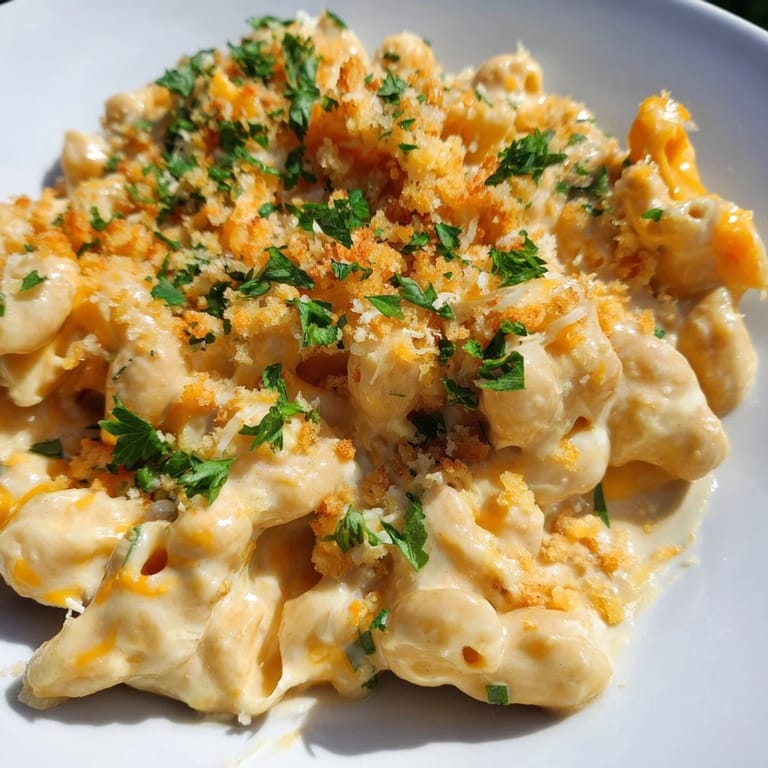
Save This mac and cheese taught me that comfort food and nutritional sense don't have to be enemies. It's become the recipe I reach for when I want to feed myself or someone else something that tastes like pure indulgence but actually makes me feel good.
Recipe Q&A
- → What pasta works best for this dish?
High-protein options like chickpea, lentil, or whole wheat pasta blend well with the creamy sauce and add extra nutrition.
- → Can I use plant-based milk instead of dairy milk?
Yes, unsweetened plant-based milk keeps the sauce creamy while accommodating dietary preferences.
- → How can I make the sauce smoother?
Blending the cottage cheese mixture thoroughly ensures a velvety, lump-free sauce before heating it gently.
- → Is it possible to add more protein?
Adding cooked chicken or steamed broccoli after mixing enhances protein content and texture variety.
- → What topping options can I try?
Whole wheat breadcrumbs with fresh parsley create a crisp, flavorful topping when broiled briefly.