 Save
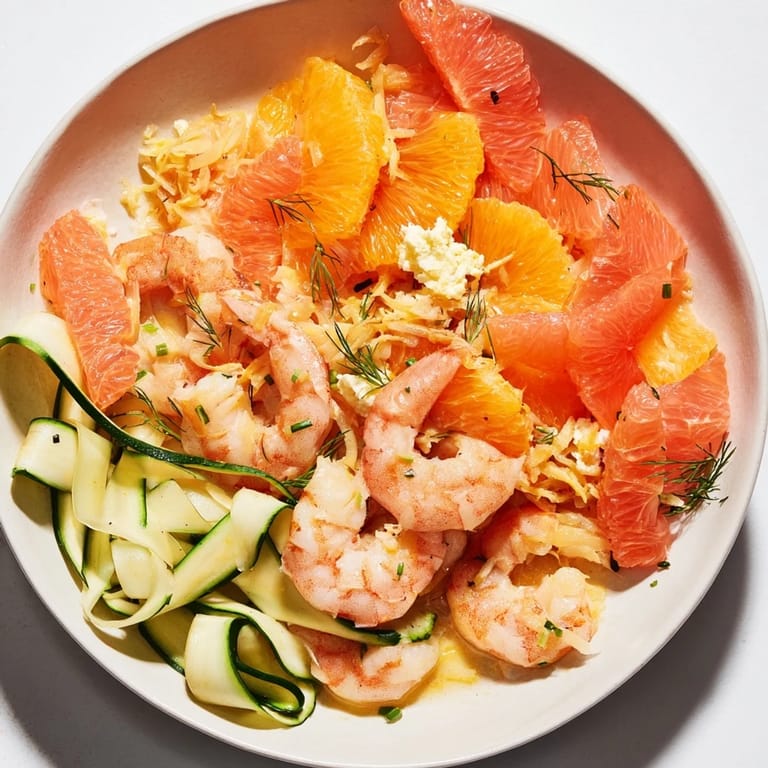
Save The first time I arranged shrimp and citrus on a platter, I wasn't thinking about dinner—I was thinking about my daughter's aquarium project, how she'd spent weeks sketching coral formations. Something clicked when I realized food could tell that same story of color and life. This dish emerged from that moment, a playful translation of the ocean onto a plate, where tender shrimp nestle among bright citrus like fish darting through a reef.
I made this for friends on a random Tuesday evening when someone mentioned they'd never seen their dinner arranged like art. The moment that molten Gruyère bubbled under the broiler and the whole kitchen filled with that toasty, salty-sweet aroma, I knew this wasn't just a recipe—it was a conversation starter. Everyone leaned in before tasting, cameras ready, then went quiet the moment the first bite hit.
Ingredients
- Large pink shrimp (500 g): The backbone of everything—buy them as fresh as possible, because they cook so quickly that quality matters more than technique here.
- Oranges (2 medium, segmented plus 1 tsp zest): Segmenting by hand takes a minute longer but gives you juice-soaked citrus that clings to the shrimp beautifully.
- Pink grapefruit (1 small, segmented): This adds tartness and visual intrigue without overpowering; it's the unexpected note that makes people ask what they're tasting.
- Lemon juice (from 1 lemon): The acid that seasons the shrimp and keeps everything tasting bright instead of heavy.
- Gruyère cheese (120 g, grated): Nutty, creamy when melted, and it browns to golden perfection under the broiler in minutes.
- Ricotta cheese (50 g): Dollops of this create pockets of cool creaminess against the warm cheese—the textural secret nobody mentions until they taste it.
- Zucchini ribbons (1 small zucchini, thinly sliced): The green base that holds everything and steams tender in moments.
- Carrot julienne (1 small carrot): Adds orange warmth visually and a subtle sweetness that plays off the citrus.
- Fresh chives (1 tbsp, finely chopped): Scattered at the end for that oniony brightness and a fresh herb note.
- Fresh dill (1 tbsp, torn): Dill whispers seafood without shouting; tear it by hand so it releases more fragrance.
- Olive oil (2 tbsp): One tablespoon for sautéing, one for the final drizzle—it carries the flavors and adds a subtle richness.
- Salt and freshly ground black pepper: Use good black pepper; pre-ground loses its punch before you need it.
Tired of Takeout? 🥡
Get 10 meals you can make faster than delivery arrives. Seriously.
One email. No spam. Unsubscribe anytime.
Instructions
- Get your broiler ready and your shrimp prepped:
- Turn the broiler to high so it's heating while you work. Pat the shrimp dry with a paper towel—any moisture prevents them from caramelizing properly.
- Season and sauté the shrimp:
- Toss the dry shrimp with 1 tablespoon olive oil, lemon juice, salt, and pepper in a bowl. Heat your skillet over medium-high heat until it's hot enough that a drop of water sizzles immediately, then add the shrimp and let them cook undisturbed for about 2 minutes per side—they'll turn from translucent to opaque and maybe get a light pink blush. Don't overcook; they keep cooking under the broiler.
- Prepare the citrus in its own bowl:
- In a separate bowl, gently combine the orange and grapefruit segments with the orange zest and a tiny pinch of salt. The salt coaxes out their natural juice and brightens the flavor.
- Steam your vegetables until barely tender:
- Place zucchini ribbons and carrot julienne in a steamer or microwave-safe bowl with a splash of water for 1 to 2 minutes—you want them to soften just enough to bend without losing their snap. Drain well so no water lingers on the platter.
- Build your coral reef on the platter:
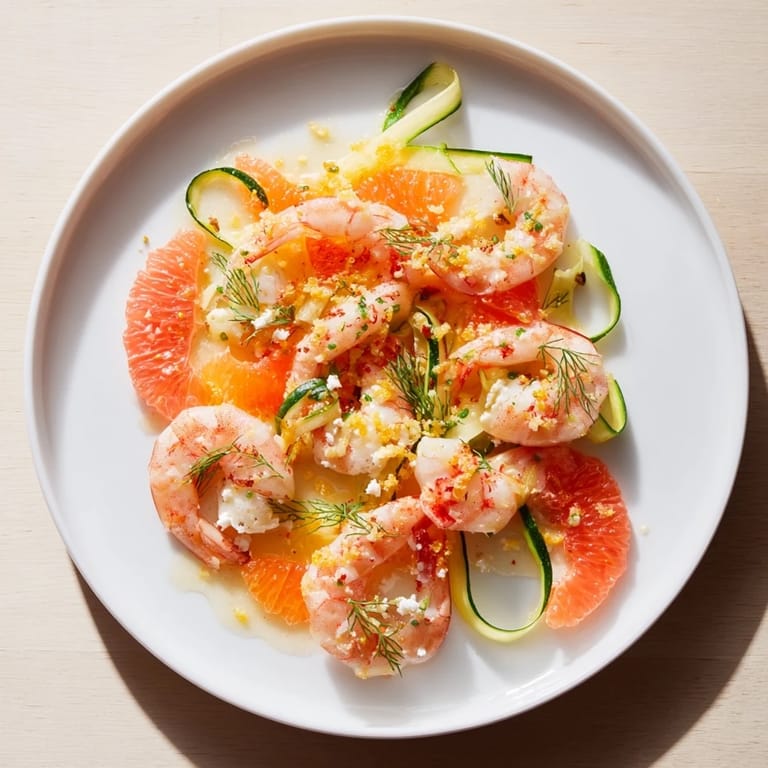
- Arrange the steamed vegetables on your oven-safe serving platter as your base, creating gentle waves and curves. Nestle the sautéed shrimp and citrus segments among and on top of the vegetables, layering everything so the colors peek through and feel alive—don't overthink it, let some shrimp and citrus show, let some hide.
- Add the cheeses and broil:
- Sprinkle the grated Gruyère evenly over the entire arrangement, then dot small spoonfuls of ricotta across the surface—these ricotta pockets will stay creamy while the Gruyère melts around them. Slide the platter under the broiler for 2 to 3 minutes, watching closely so the cheese bubbles and browns lightly without burning.
- Finish and serve immediately:
- Remove from the broiler, scatter the fresh chives and torn dill over everything, and drizzle with the remaining tablespoon of olive oil. The heat will wilt the herbs just slightly and carry their fragrance. Serve right away while the cheese is still molten and the vegetables are warm.
 Save
Save The real magic happened when my friend's toddler looked at the platter and said it looked like a real ocean, then ate every single shrimp because they were arranged like they were swimming. That's when I understood—this dish works because it speaks to something in all of us that still believes in playing with our food, in making dinner feel like discovery instead of obligation.
Why Citrus Matters with Seafood
Citrus isn't just a flavor—it's a textural and visual partner for shrimp. The acidity cuts through any richness from the cheese and ricotta, while the juice-soaked segments add moisture and sweetness that plays beautifully against the salt and char. I've learned that mixing two citrus types (orange and grapefruit here) creates a more complex brightness than using just one; the slight bitterness of grapefruit keeps the sweetness from feeling cloying.
The Broiler Finish: Why It Changes Everything
Broiling transforms this from a composed salad into something warm and cohesive. The Gruyère bubbles and browns, the ricotta softens into creamy pockets, the vegetables warm through without wilting, and the whole platter becomes comforting despite its delicate appearance. It's the difference between a dish you admire and one you actually want to eat on a regular Tuesday.
Serving and Variations
This recipe thrives on flexibility and the seasons. In summer, add thin slices of watermelon radish for extra earthiness, or scatter pomegranate seeds for a jewel-like sparkle. If you can't find good Gruyère or prefer something milder, Emmental works beautifully, and bubbly mozzarella creates a more delicate finish. Pair it with a crisp Sauvignon Blanc that echoes the citrus, or a dry rosé that won't overpower the shrimp.
- Prep all components ahead and arrange cold, then broil just before serving for a restaurant-style experience without stress.
- If your oven-safe platter is small, work in batches or use individual gratin dishes for a more elegant individual presentation.
- Leftovers, while not ideal, can be reheated gently in a 300°F oven for about 5 minutes if you must, though the vegetables soften further.
 Save
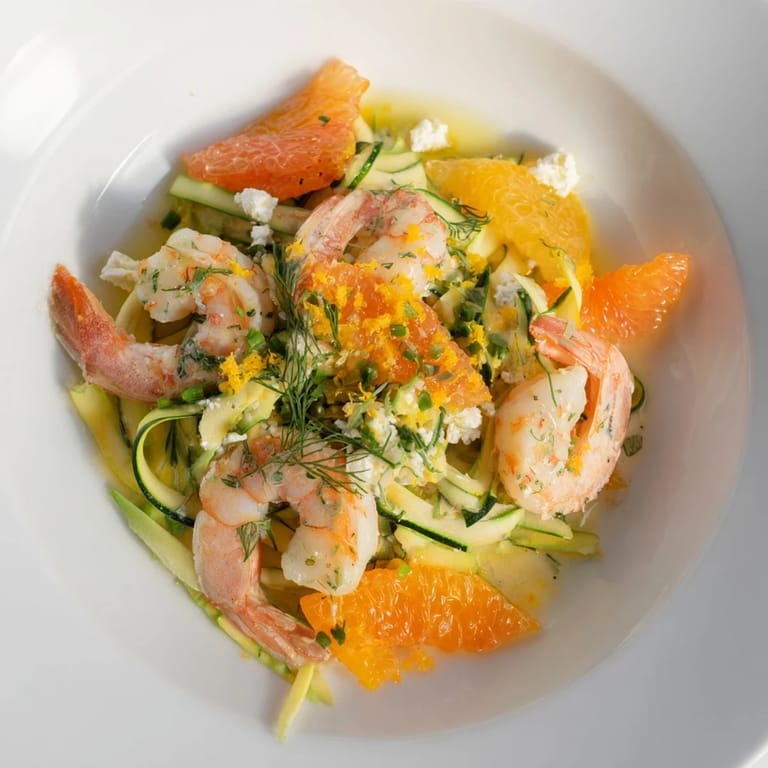
Save This dish reminds me that cooking isn't always about technique or perfection—sometimes it's about translating a moment, a feeling, or something you noticed in the world onto a plate and sharing it with someone. That's where the real flavor lives.
Recipe Q&A
- → What type of shrimp works best for this dish?
Large pink shrimp, peeled and deveined, offer the perfect tenderness and flavor to complement the citrus and cheese.
- → Can I substitute Gruyère cheese with another cheese?
Yes, Emmental or bubbly mozzarella provide a similar melt and mild flavor that complements the dish well.
- → How should the vegetables be prepared?
Zucchini ribbons and julienned carrots are steamed briefly to retain tenderness and brighten the plate without overpowering the other elements.
- → What is the recommended cooking technique for the shrimp?
Lightly sauté shrimp in olive oil with lemon juice, salt, and pepper, cooking about 2 minutes per side until just opaque.
- → How can I enhance the visual appeal of the dish?
Adding thin watermelon radish slices or pomegranate seeds adds vibrant color contrast and texture to the presentation.
- → What wine pairs well with this dish?
A crisp Sauvignon Blanc or dry rosé complements the citrus brightness and rich cheese notes beautifully.